


Stop Killing Your Cutting Wheels on Thick Glass
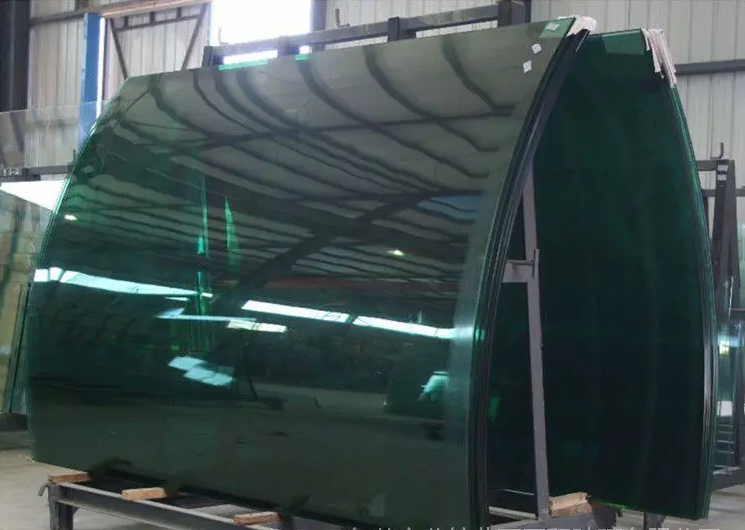
If you’ve ever tried to score ultra-thick glass with a cold blade, you know the feeling. The glass fights back. You can almost feel the cutting wheel struggling, grinding away until it just gives up. It’s frustrating, it kills your tools way too fast, and you end up with break lines that look more like jagged stairs than a clean cut. The fix is simpler than you’d think: we just soften the glass before the wheel ever hits it.
Getting the heat where it actually matters
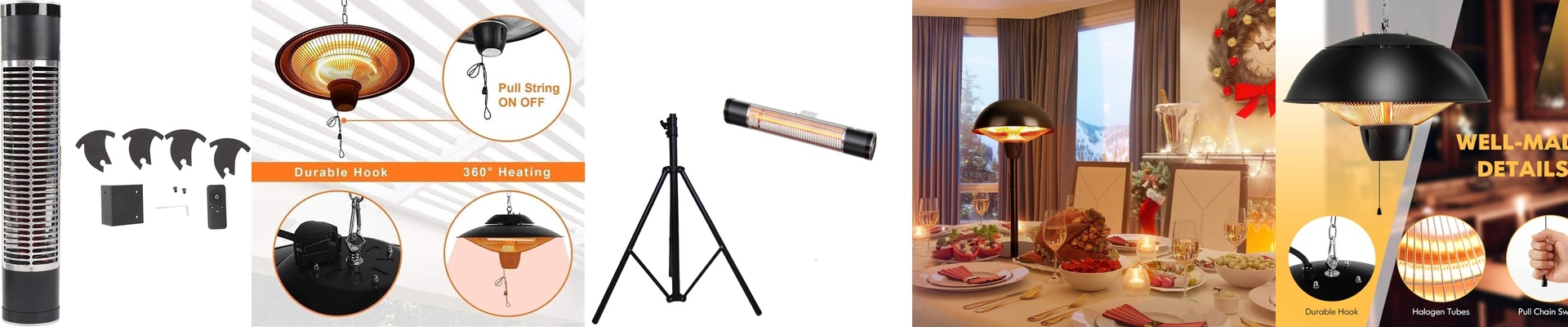
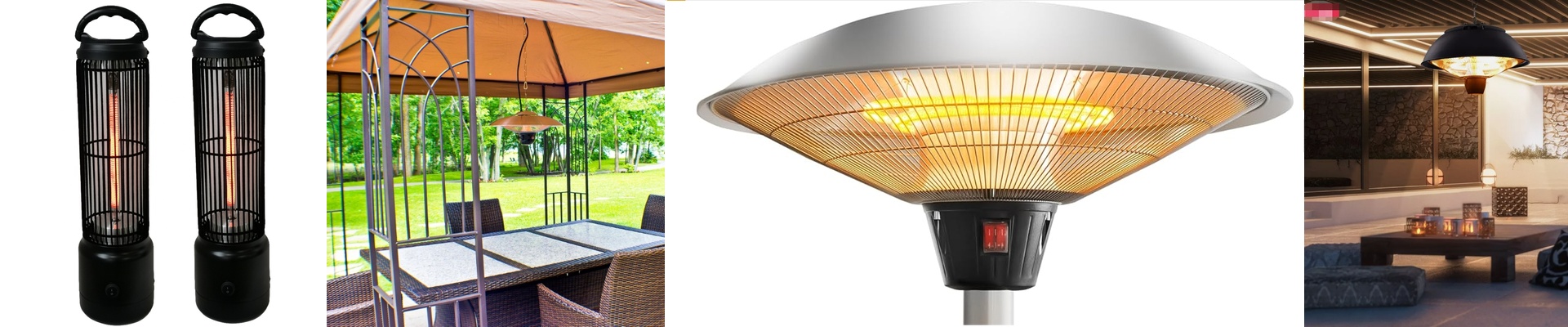
Most heat lamps are useless here. They just bounce off the surface, leaving the core of the glass cold and hard. To actually make a difference, you need shortwave IR. Think of it as a deep soak rather than a surface tan. Shortwave radiation sinks deep into the glass, warming up the exact path the wheel is about to take. When the glass is warm, it loses that stubborn hardness. The wheel doesn’t have to fight the material anymore; it just slides through.
The balancing act
To get that heat deep enough, we use high-wattage quartz-halogen elements. They can handle the intense heat needed for deep penetration without just popping and dying. But you can’t just blast it with heat. If you go overboard, you’ll trigger thermal shock. One second you’re softening the glass, and the next, the whole plate cracks before you’ve even started cutting. It’s a delicate balance. We spend a lot of time tweaking the lamp distance and how long the heat dwells on the glass to hit that “sweet spot”—soft enough to cut, but not so hot that it breaks.
The catch
Now, this isn’t a magic button. It adds some weight to your setup. Those high-wattage lamps are hungry for power. You’ll want to double-check your wiring and power supply, or you’ll deal with voltage drops that mess with your consistency. And here’s the thing: that heat doesn’t just stay in the glass. It radiates everywhere. If you aren’t careful, your cutter head will start baking. You’ll need some solid shielding or a cooling system to keep your tool holders from overheating. It’s a few extra steps, sure. But it beats replacing your cutting wheels every few hours.