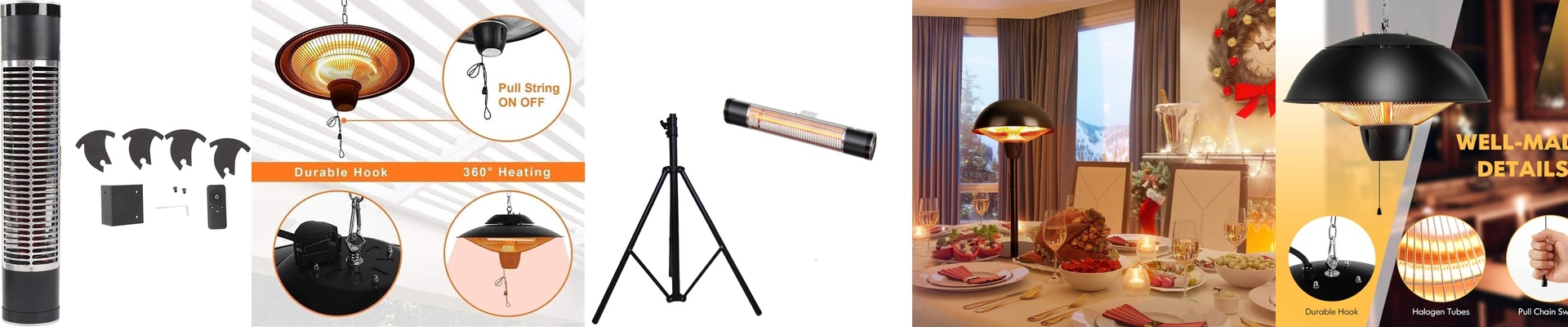
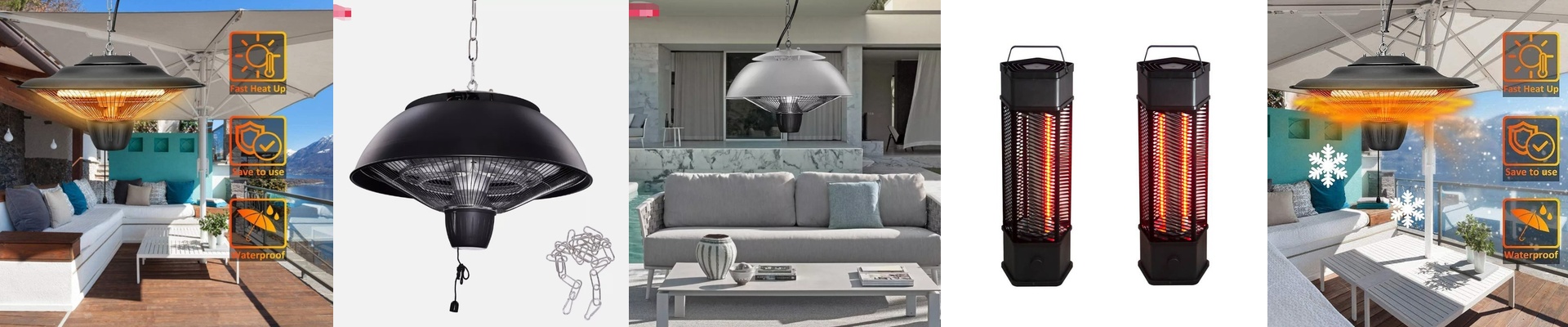
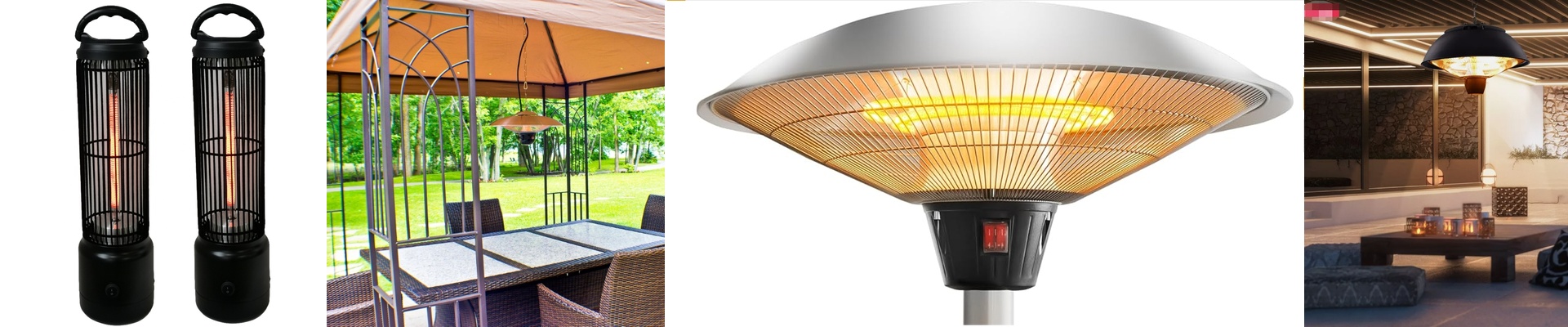
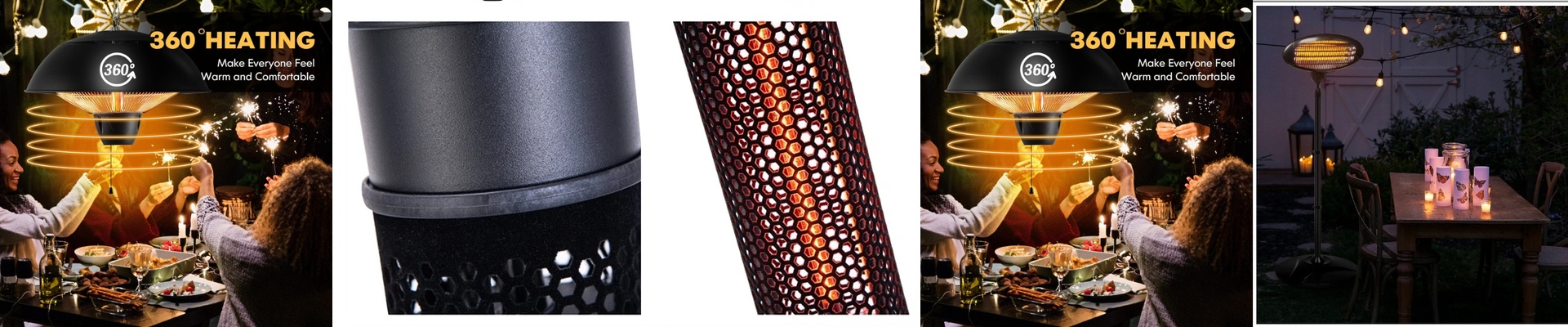
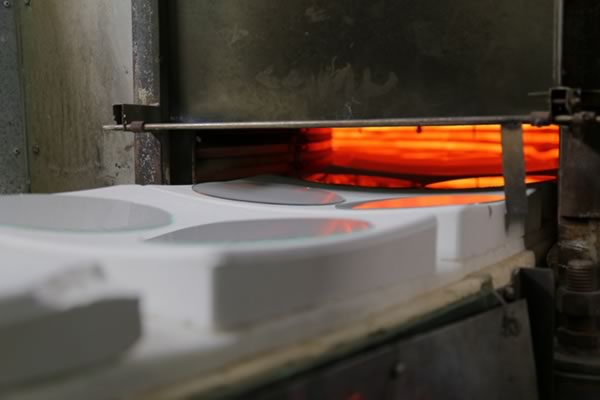
On the IG line, sealant drying is where schedules get squeezed and defects get made. Convection ovens push heat through the frame, and by the time the bead actually comes up to temperature, you’re already behind. When drying lags, you get slow cycles, adhesive squeeze-out, and the headache of edge-bond failures that come back as callbacks. We built our glass sealant drying infrared lamp to remove that guesswork.
What matters under the hood
It’s short-wave infrared with quartz envelopes, throwing directional radiation that heats the sealant directly instead of the whole sash. Peak response is fast—seconds, not minutes—so you can keep pace with automated dispensing and robotic handling. The reflector geometry lays down a uniform thermal field along the bead path, which cuts down hot spots that scorch coatings and cold spots that leave the sealant under-cured. Control is straightforward: closed-loop temperature feedback and repeatable settings let you hold a consistent profile part to part.
Why it fits the IG sealing process
When you’re sealing insulating glass, you need the sealant to hit cure temperature without driving the glass so hot that thermal stress builds. Direct IR gives you that precision. Cycle time drops because the bead heats on demand, and rejects fall when the profile stays stable. Energy use drops too, since you’re not heating air and idle mass. The lamp drops into existing IG cells and is sized to replace standard OEM heating modules without reworking the station.
The practical details you can’t skip
Installation is simple, but alignment is critical. Reflector focus and lamp stand-off have to match your bead geometry; if they don’t, you’ll see uneven drying and adhesion issues. Keep the quartz tube clean—dust and sealant overspray will cut output and drift the temperature curve. Running at max power continuously shortens lamp life, so plan on spares and a routine inspection window.