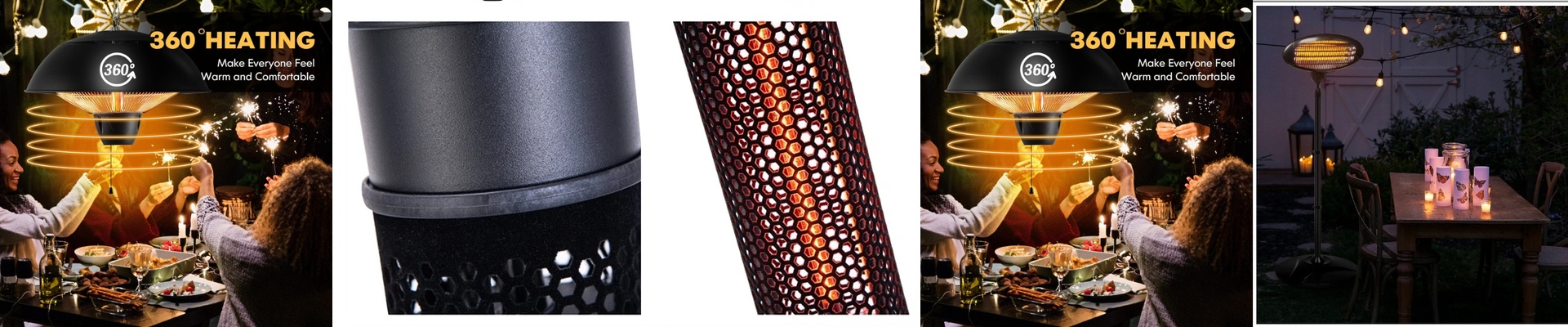
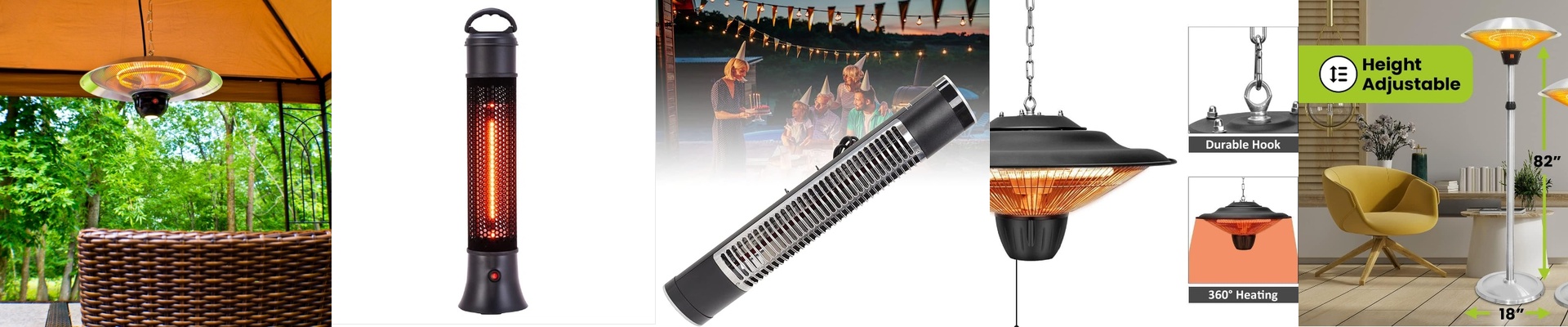
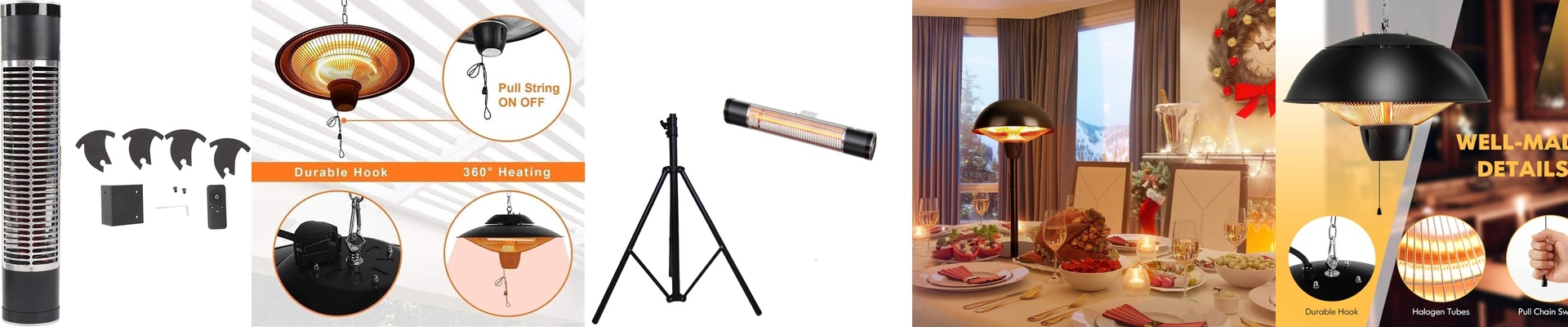
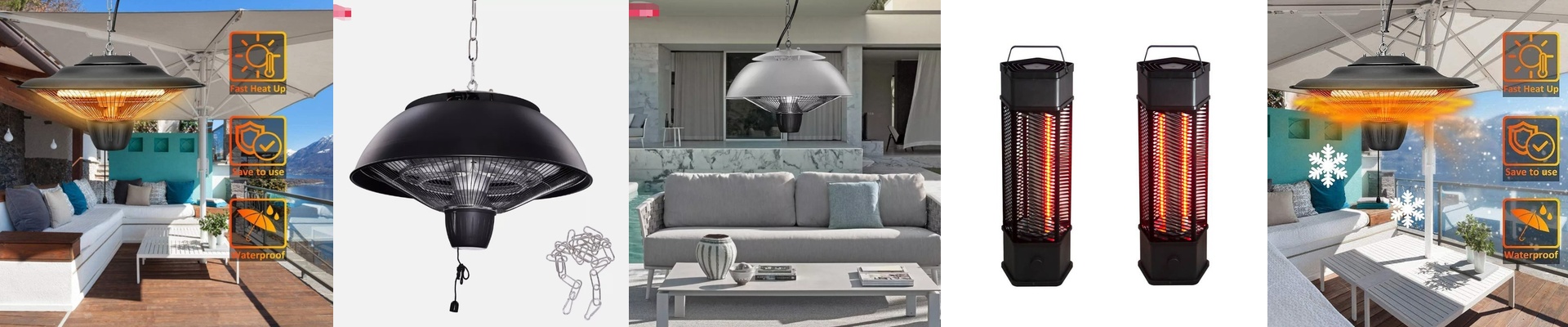
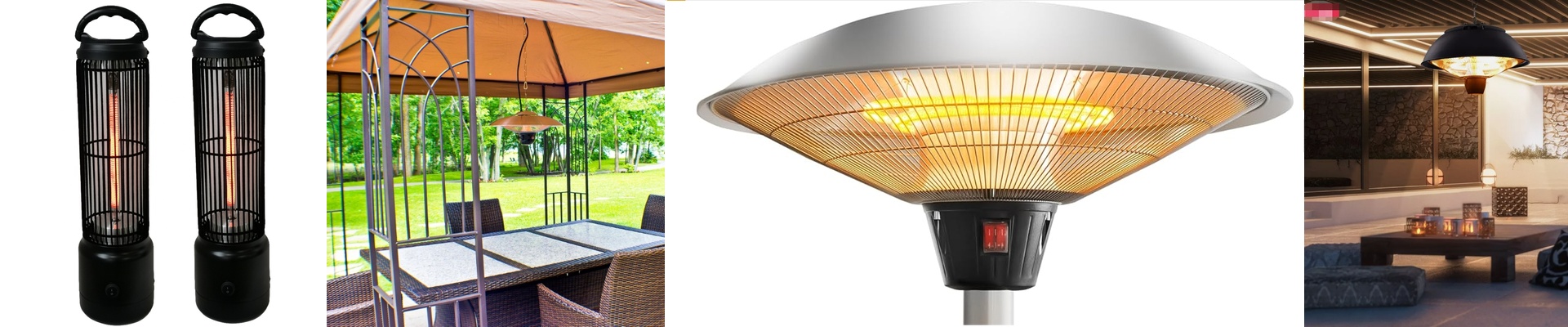
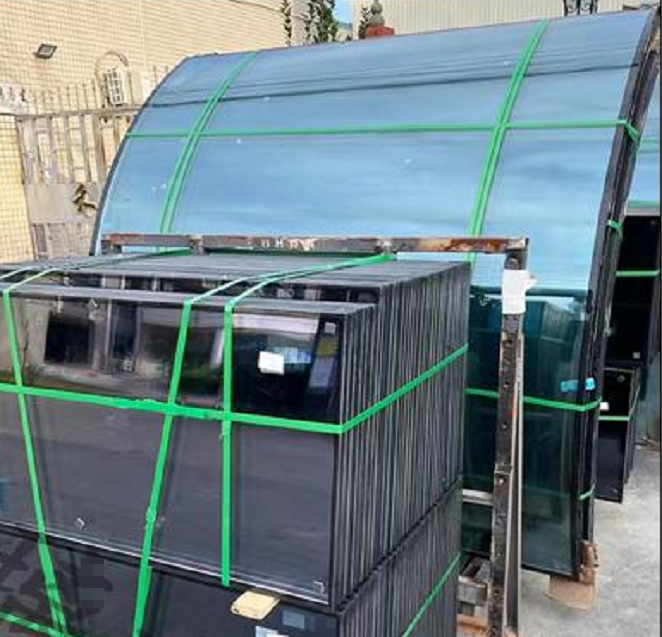
On the lamination line, the clock starts the second the PVB or EVA interlayer meets the glass. If the heating zone is slow or uneven, you’re asking for trapped moisture, bubbles, and glass that fails visual inspection—or worse, shows up later as edge stress and spontaneous fracture after tempering or bending. We built our infrared drying modules for laminated glass to cut that risk at the source. What matters, technically We use short-wave infrared quartz emitters to drive heat straight into the stack, not into the air. The response is immediate, so the temperature curve follows the resin cure profile without overshoot. The system is laid out to keep the thermal field uniform, which keeps thermal stress in check during stress relief and prevents local hot spots that can cause optical distortion. Power density is matched to line speed and glass thickness, and the control holds setpoint within tight tolerance. The payoff is consistent throughput without compromising lamination quality. Here’s why it works in practice. In laminated glass drying, speed without control just creates scrap. Our infrared approach shortens the heating phase and stabilizes the thermal profile, so you can run thicker interlayers and larger sheets without stretching dwell time. You see fewer reworks from haze and delamination, and the glass exits with lower residual stress—matters when the next stop is annealing, tempering, or hot bending. Energy use drops because the emitters heat the load directly, so you’re not fighting heavy convection losses and the electric bill stays sane. A few shop-floor details. Infrared drying is line-of-sight, so reflectors and emitter layout have to match the glass geometry. With low-emissivity coated glass, we adjust power density and dwell to compensate for reduced radiative absorption. Installation is straightforward as a drop-in replacement, but the control wiring and thermal management have to line up with the existing oven or press interface. Treat the quartz elements as consumables—keep spares scheduled, and stock spare mounts so changeovers don’t turn into downtime.