
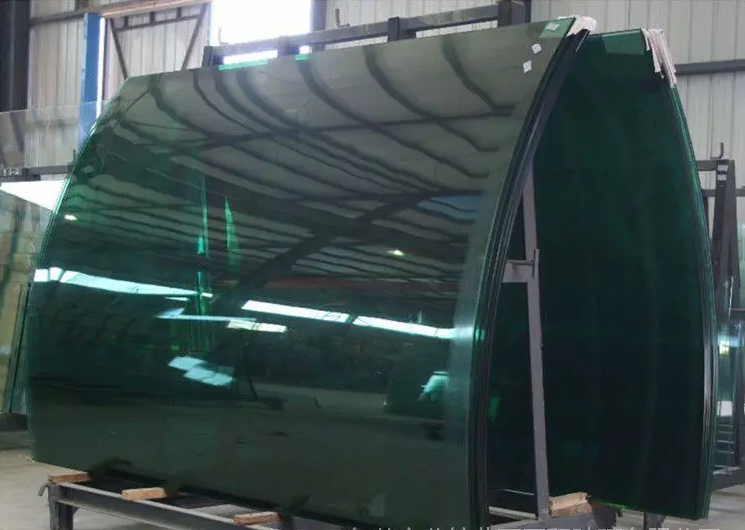
Stop the Chipping: Why We Preheat Glass Before Cutting
Cutting glass is basically just a controlled way of stressing the material. When the cutter hits the surface, it creates a tight zone of tension. If that glass is cold, the crack doesn’t always behave. It wanders. It jumps. That’s where you get those annoying chips and shells along the edges, especially when you’re dealing with thick sheets. It’s frustrating, it looks sloppy, and it wastes material. To fix this, we use shortwave infrared lamps to warm up the surface right before it’s cut. The secret is in the heat. Infrared radiation sinks into the glass quickly. By warming up the cutting zone, you’re essentially making the molecular structure a bit more “relaxed.” When the glass is warm, the score line stays clean. The crack actually follows the path you intended instead of leaping sideways. You get a crisp, precise break. It’s a much smoother process because the heat absorbs some of that mechanical shock. How we actually set it up We usually go with high-wattage quartz halogen lamps. Why? Because they pack a punch. On a fast-moving conveyor line, you don’t have time to wait around. You need the heat to hit hard and fast so the glass is still warm by the time it reaches the cutting head. We stick with shortwave emitters because they transfer energy way faster than the medium or long-wave stuff. Plus, it means the equipment doesn’t have to take up half the factory floor. The balancing act Now, you can’t just crank the heat to max and call it a day. If you push the wattage too high without enough airflow, you’re going to melt your sockets or warp the reflectors. It’s a bit of a tug-of-war between your line speed and your temperature. Too much heat and you risk thermal shock. Too little, and you’re right back to those jagged edges. The trick is getting your cooling fans just right to handle the heat load from the lamp bank. Get that balance right, and the glass just snaps perfectly. Every single time.