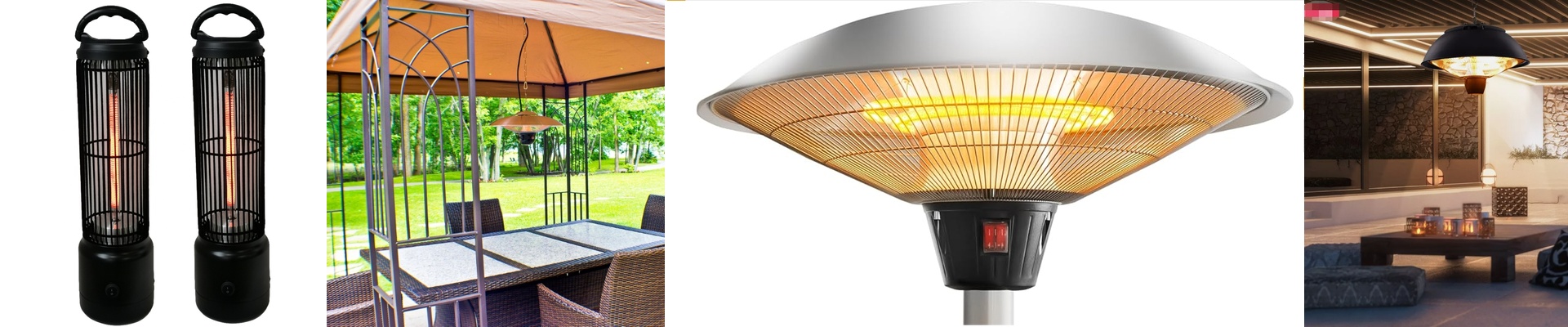
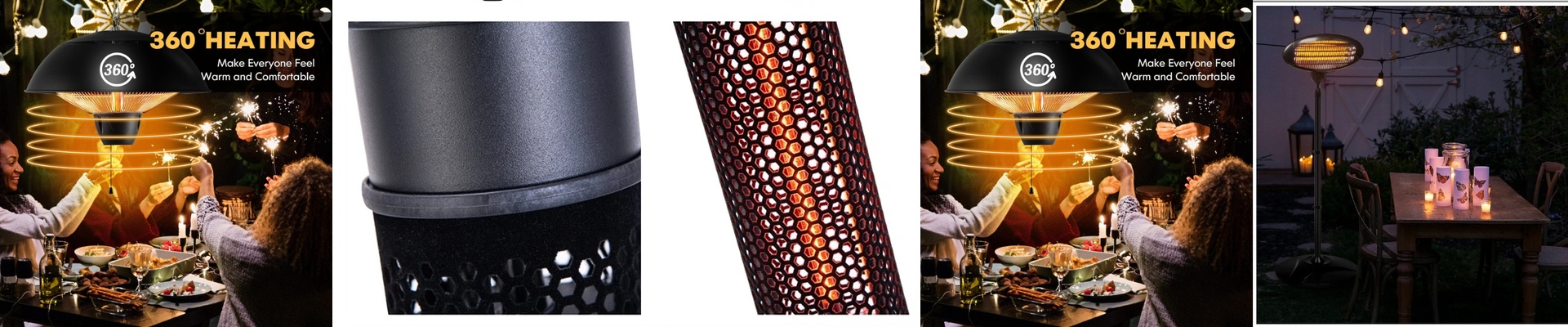
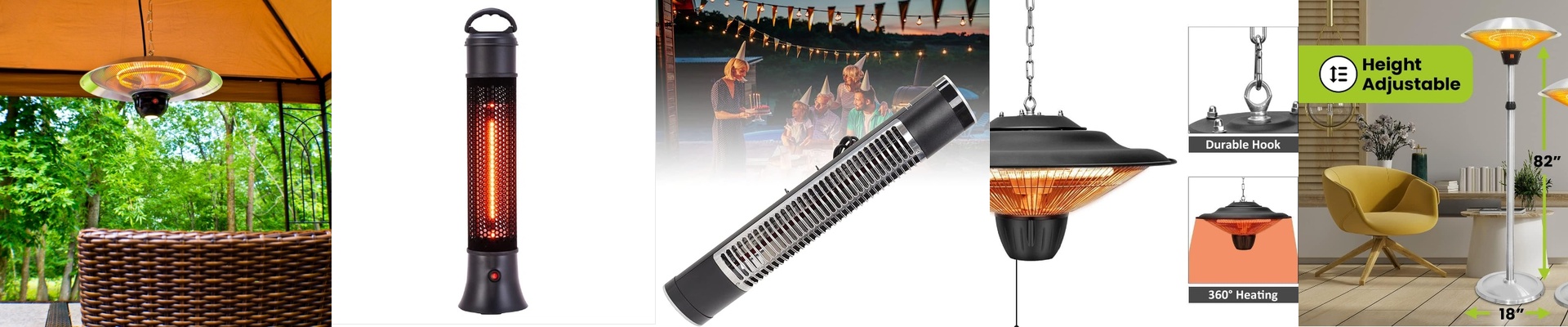
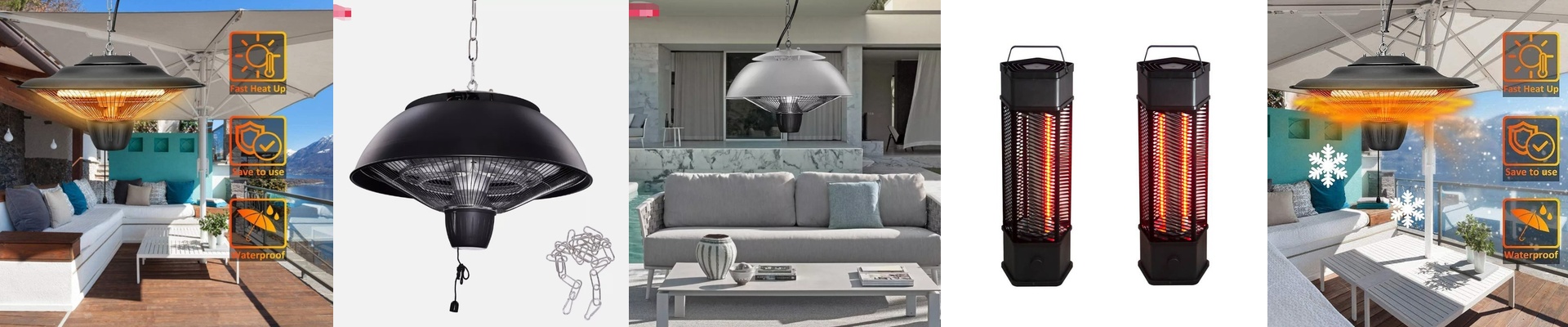
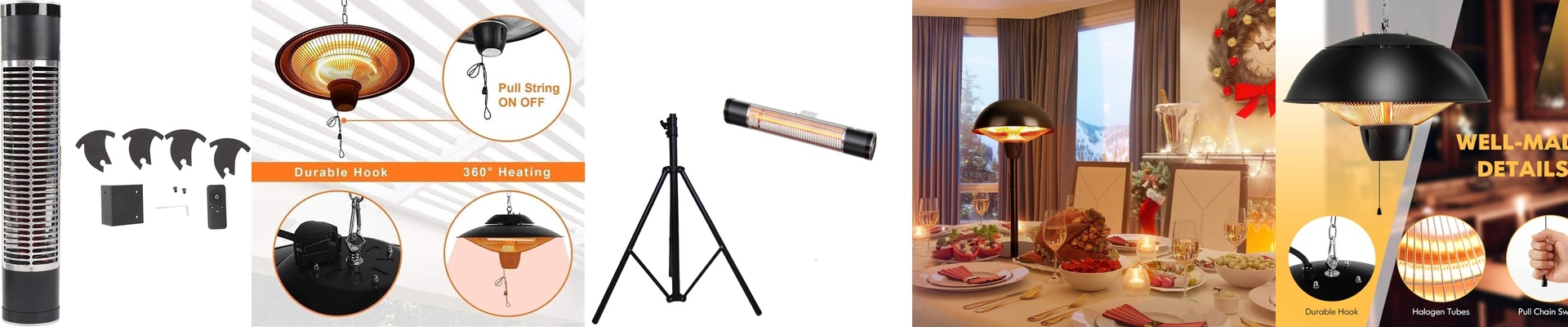
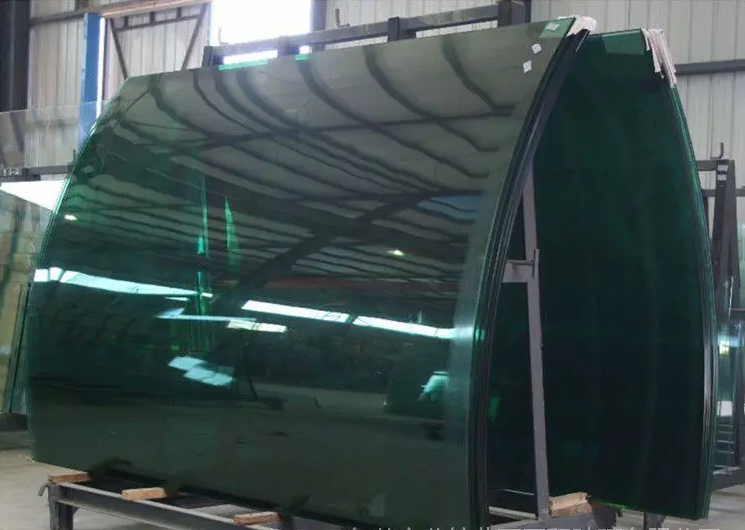
On the line, glass doesn’t wait. Heat has to arrive fast and even—no cold spots, no lazy ramps. In hot bending, if the mold surface doesn’t hit target temperature quickly and hold it, the sheet pushes back. You pay for that with optical distortion and thermal stress cracks. In tempering, the preheat is what sets up the quench. In lamination and coating, the cure profile is a contract: too cool, and adhesion or drying falls short; too hot, and you waste energy and risk over-cure. Here’s what we built these infrared radiators around: short-wave quartz emitters, tuned to match how glass absorbs—and how common mold coatings absorb. They come on hard and fast, hitting full power in seconds, without dumping heat into the surrounding air. Each module is laid out to keep the thermal field stable, so the hot face delivers consistent irradiance across the active area. The specs are grounded in production reality: 230–460 V options, a compact footprint that fits standard press and oven zones, and terminations that can take repeated maintenance cycles. Output is controllable in steps or continuously, so you can match the curve to the process—hot bending, tempering preheat, EVA/SGP/PVB lamination, and coating drying. In hot bending, the radiator pulls the mold surface up quickly, cutting dwell and tightening shape repeatability. In tempering, the preheat becomes more uniform, so edge stress drops and the break pattern stays under control. In lamination, you hit the adhesive activation window faster, which shortens cycle time while keeping clarity bubble-free. For coatings, the near-instant on/off response keeps overshoot off the glass—protecting film integrity and color consistency. Across all these applications, energy use comes down because the heat goes straight where it’s needed, with less waste to convection and ambient loss. These infrared radiators can drop into many OEM tooling zones, but mounting surfaces and clearances vary. Check the envelope, terminal box orientation, and airflow path before you swap. Keep the emitters clean and aligned; even a thin film of dust or oil can shift output and throw off the profile. For the best repeatability, pair the module with a calibrated pyrometer and a closed-loop controller tuned to your glass thickness and emissivity.