


Why Fast-Response IR Lamps are the Secret to Smooth Glass Annealing
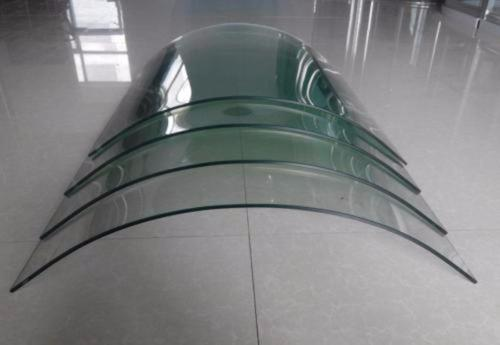
If you’ve ever dealt with glass tempering, you know the struggle. You need those thermal gradients to be spot on. If your heater takes forever to warm up or lags when you tweak the power, you end up with uneven stress in the glass. It’s a headache you just don’t need. That’s why we lean on shortwave infrared (SWIR) lamps for online annealing. The magic is in the speed. Unlike those slower medium or long-wave heaters, shortwave IR just dives right into the glass. We build these lamps to hit peak wattage in a matter of seconds. It means your production flow doesn’t stop. You can tweak the heat on the fly while the glass is moving through the tunnel. If you speed up the line? The lamps keep up instantly. You aren’t fighting against that annoying thermal inertia where the machine is always “trying to catch up.” Packing in the power To get that soak temperature just right for tempering, you need a lot of heat in a small space. We usually go with high-wattage quartz tubes to get the job done. The upside? You can actually shorten your furnace length. But here’s the catch: that much heat is brutal on your reflectors. Keep your gold or aluminum reflectors spotless. If they get dirty, you’re basically throwing away energy that should be hitting your glass. Keeping things running Nobody wants to spend their Saturday rewiring a whole rack because a lamp burned out. To stop that from happening, we use standard connectors. You just pop the old one out and drop a new one in. Plus, we use a specific quartz envelope that can handle the heat without cracking from thermal shock. Now, let’s be real about the trade-off. When you push for higher power density, your lamps won’t last as long. It’s just the nature of the beast. The best way to handle this is a strict rotation schedule. Don’t wait for a lamp to die in the middle of a big order—replace them before they fail. And one last thing: check your cooling fans. Make sure they’re strong enough for the heat inside the housings, or you’ll find your wiring melting, and that’s a mess nobody wants to clean up.