
Making Your Waterproof Table Heaters Actually “Smart”
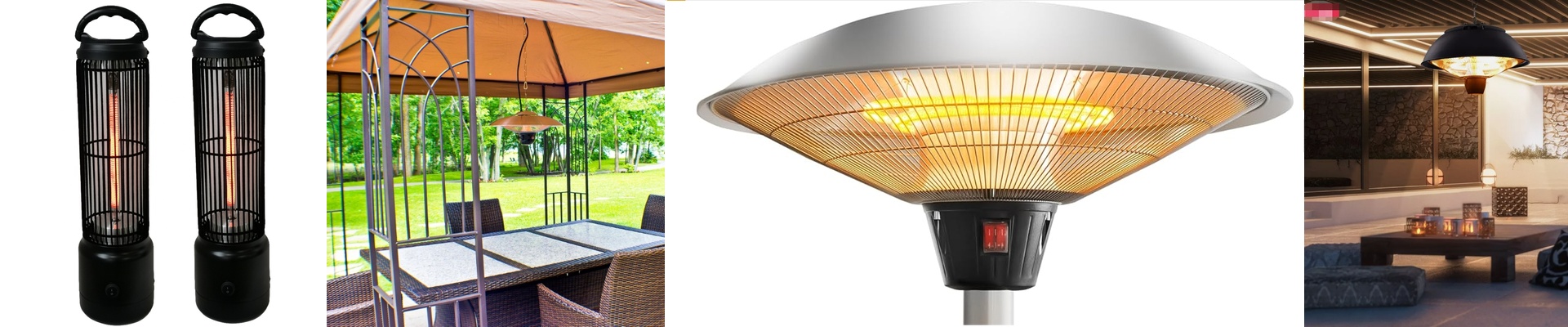
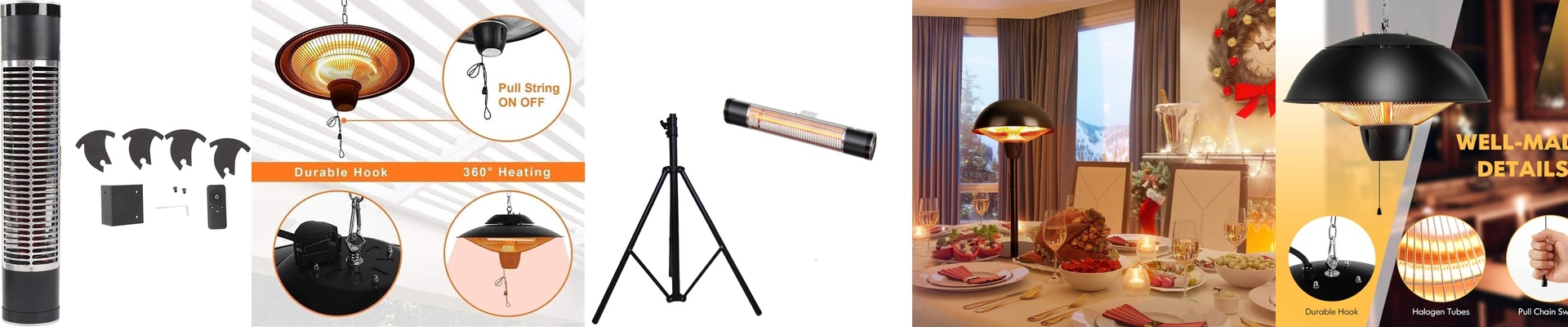
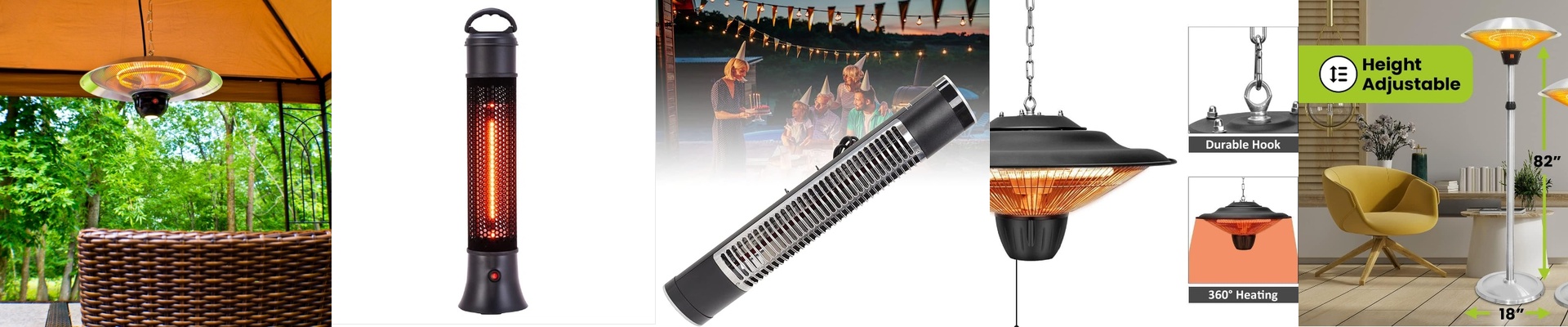
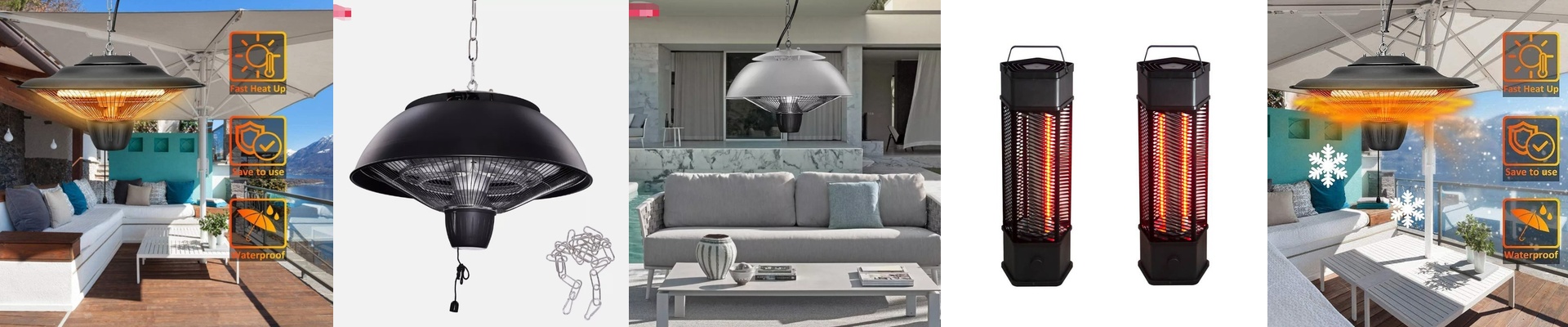
We build our IP55 infrared table heaters for the messy spots. You know, the places where a regular heater would probably spark and die the second a drink spills or a rain shower hits. That IP55 rating is just a fancy way of saying the housing keeps dust out and can handle a good splash of water. It’s what makes them a no-brainer for your patio or the kitchen.
Getting it on your phone
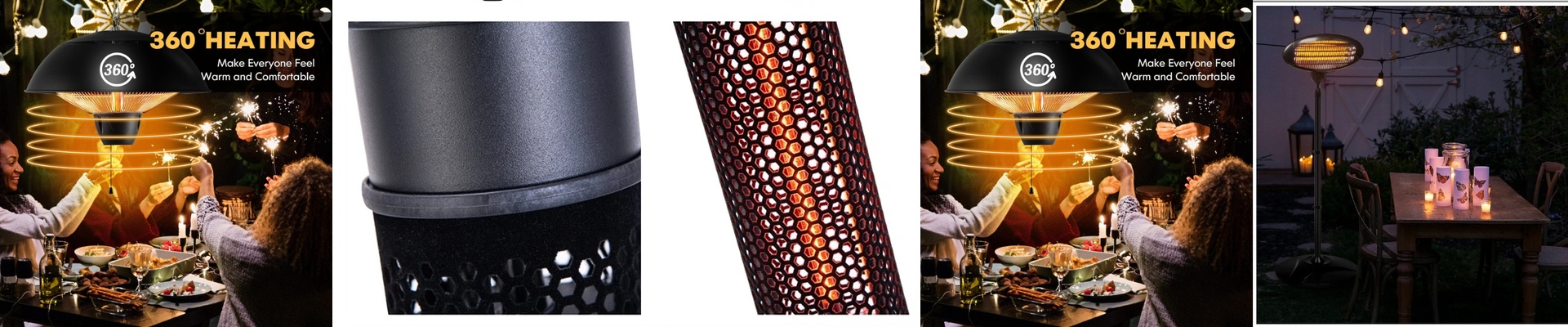
If you want to turn your heat on with one tap from your phone or a smart hub, we have to ditch the old-school manual switch. Instead, we drop in a smart relay or a controller that speaks Zigbee or Matter. The cool thing about infrared is that it doesn’t waste time trying to heat up the air around you. It sends out short-wave radiation that hits you directly. You feel the warmth the second it clicks on. We wire these controllers right into the power rail. When you hit “on” in your app, the circuit closes, the filament glows, and you’re warm. No lag. No waiting around.
A quick warning on the electrics
Here is the thing: you can’t just use any random smart plug here. These heaters pull a lot of power. If you try to run a 1500W heater through a cheap 10A smart plug, you’re probably going to melt the plastic housing. It’s not pretty. To keep things safe, stick with high-current relays or dedicated smart breakers. Your house will thank you.
The trade-offs
Nothing is perfect. Adding smart tech means adding another thing that could potentially break. If your Wi-Fi goes down or your hub decides to glitch, you’re stuck in the cold. That’s why we always keep a physical override switch on the unit. It’s a safety must. One more tip: while the heater’s shell is waterproof, the smart brain inside usually isn’t. If the unit is going to be sitting out in the elements, you’ll need to tuck the logic board into its own NEMA-rated enclosure to keep it dry.