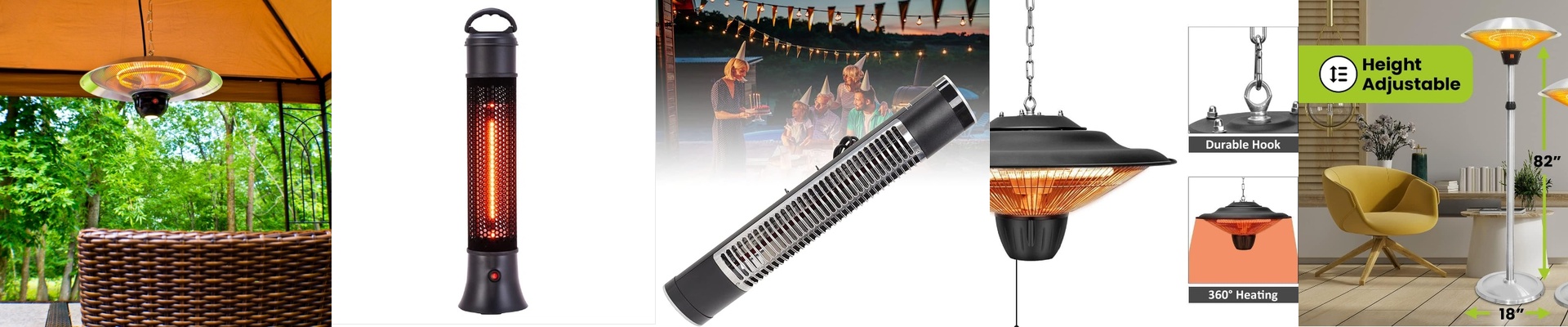
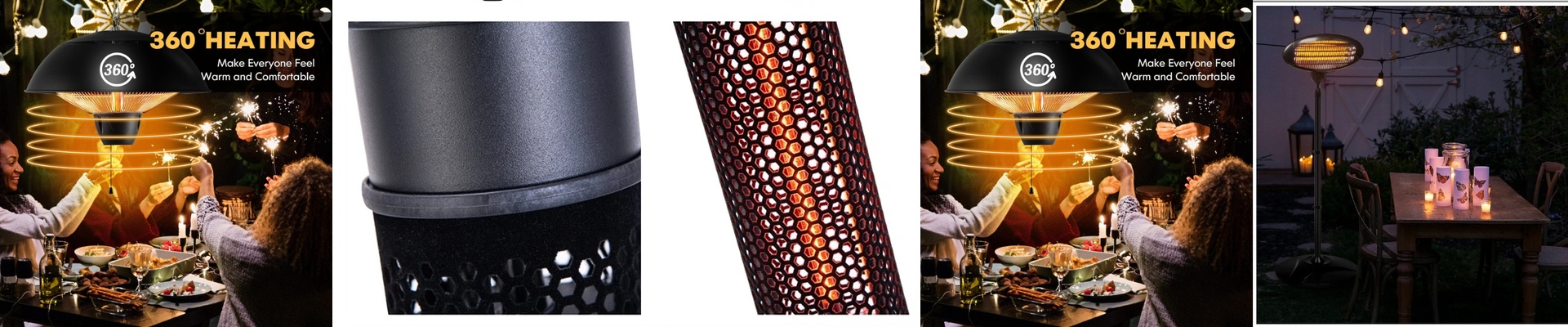
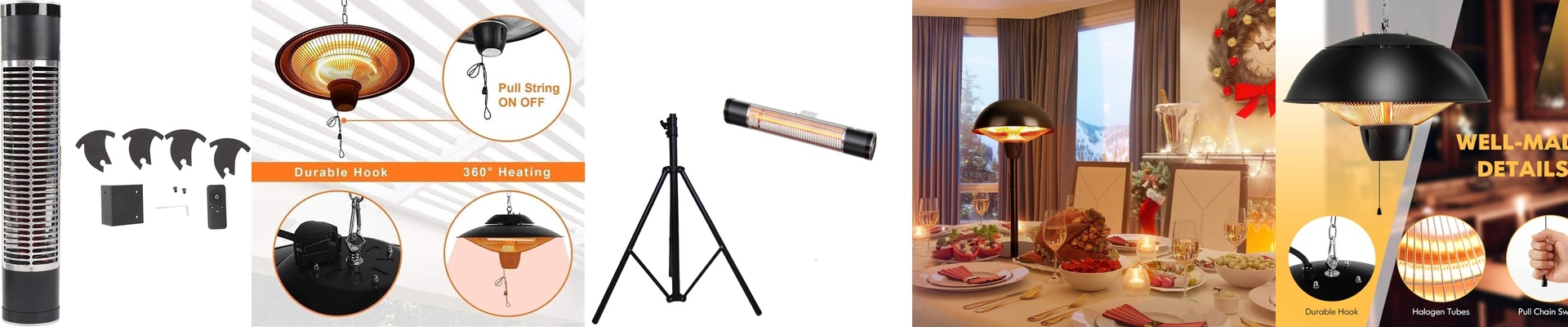
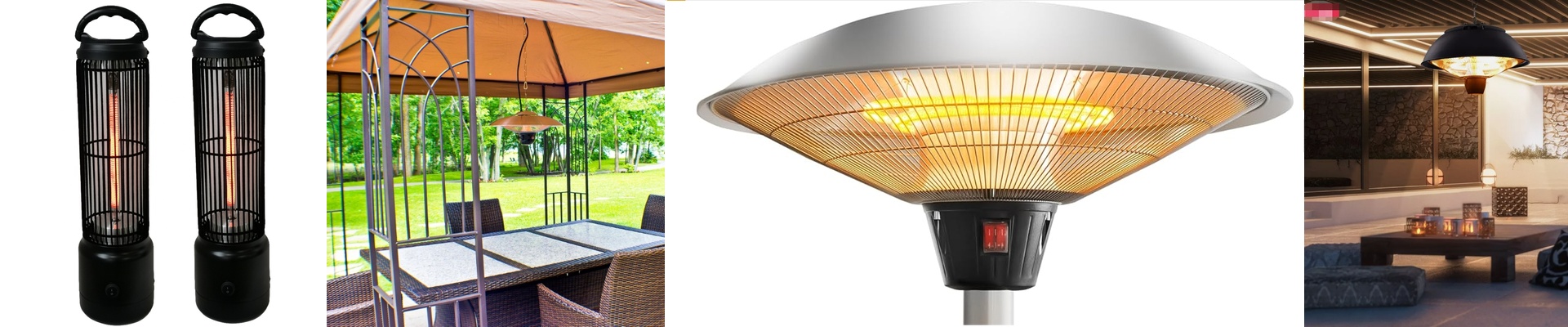
Stop Fighting Your Table Heaters
Let’s be honest: most industrial heating gear is designed for the sale, not for the person who actually has to fix it five years down the road. We’ve all been there. A heating element burns out, and suddenly you’re staring at a nightmare. You either have to rip out the entire chassis or spend your whole afternoon wrestling with rusted bolts and seals that have basically turned into glue. It’s frustrating. It’s a waste of time. So, we decided to change how these things are built. The “Swap and Go” Approach We moved to a modular setup. Instead of hard-wiring everything into the frame—which is basically a death sentence for easy repairs—we used isolated heating blocks. Think of them as drop-in replacements. When a tube finally gives up after a few thousand hours, you don’t need to rewire the whole machine. You just pull out the tray, swap the tube, and slide it back in. It turns a half-day headache into a fifteen-minute job. Keeping the Water Out (Without Locking You Out) Usually, “waterproof” is code for “permanently sealed shut.” It’s great until you actually need to get inside, and then it feels like you’re trying to break into a vault. We handled this with a split-seal design. The outer shell keeps the IP rating intact, but the internal modules sit behind precision-fit gaskets. You get all the protection you need for a wet environment, but you aren’t welding your components into a permanent tomb. The Trade-off Now, nothing is perfect. Going modular means more connection points than a single cast unit. That means you have to be mindful. If you’re rushing and don’t seat the contact pins cleanly or forget to flush the gaskets, you’ll lose that waterproof seal. It takes a second of extra attention, but it’s worth it. We built these for the long haul. We focused on that “year five” scenario because we’d rather your machine stay on the floor working than end up in the scrap heap just because one single tube failed.