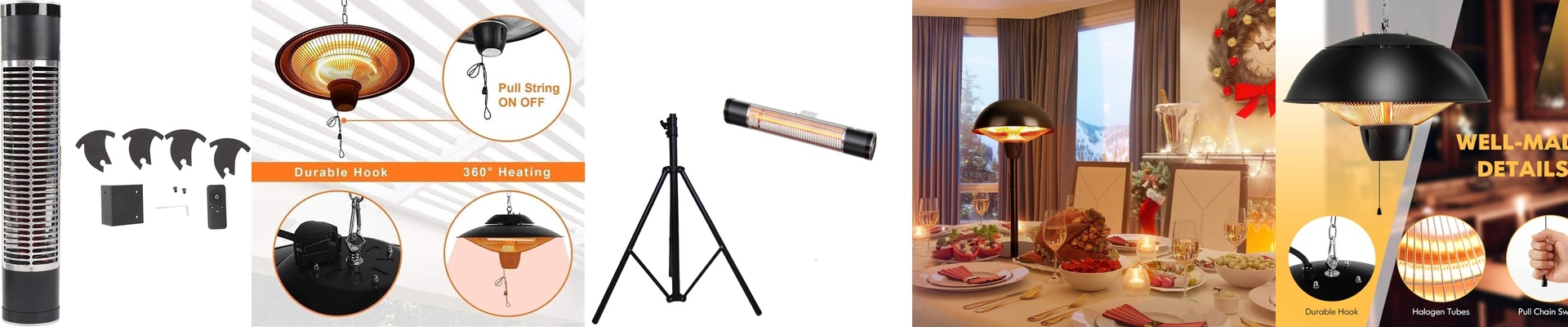
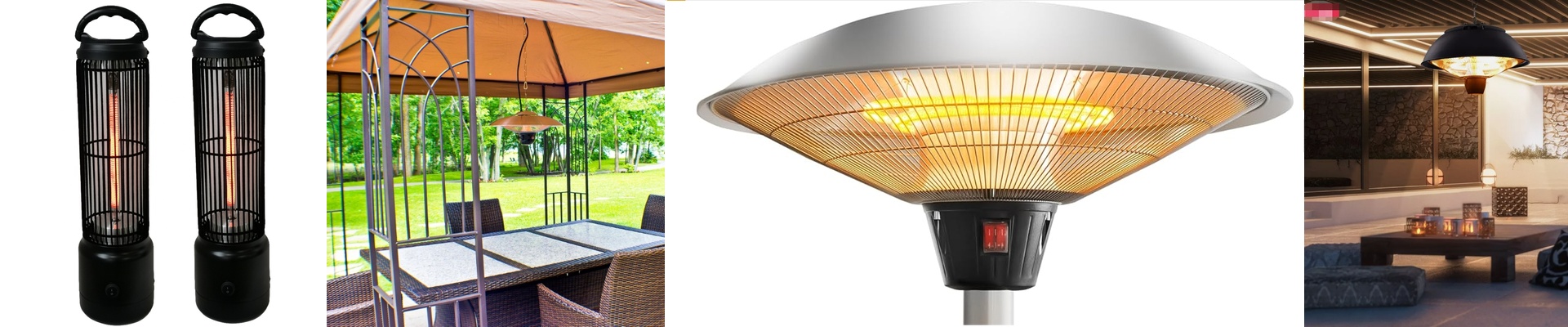
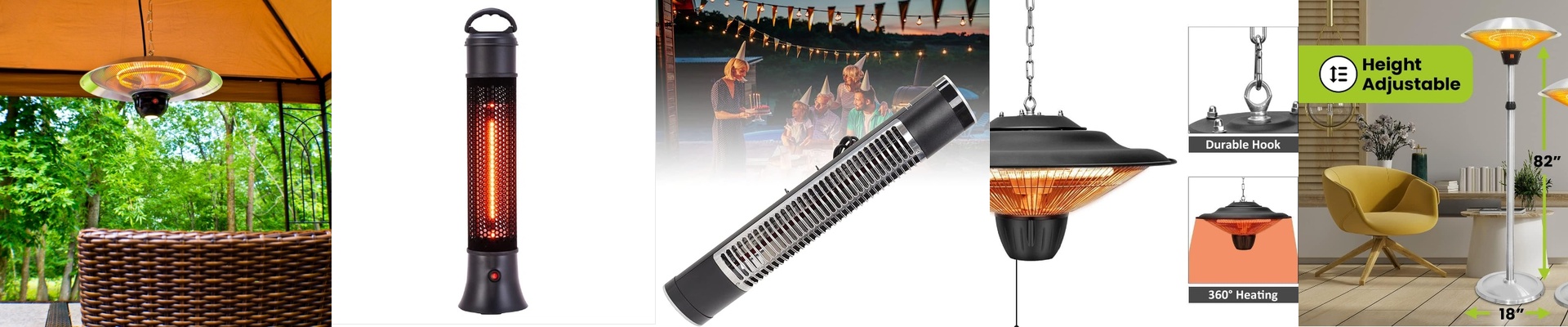

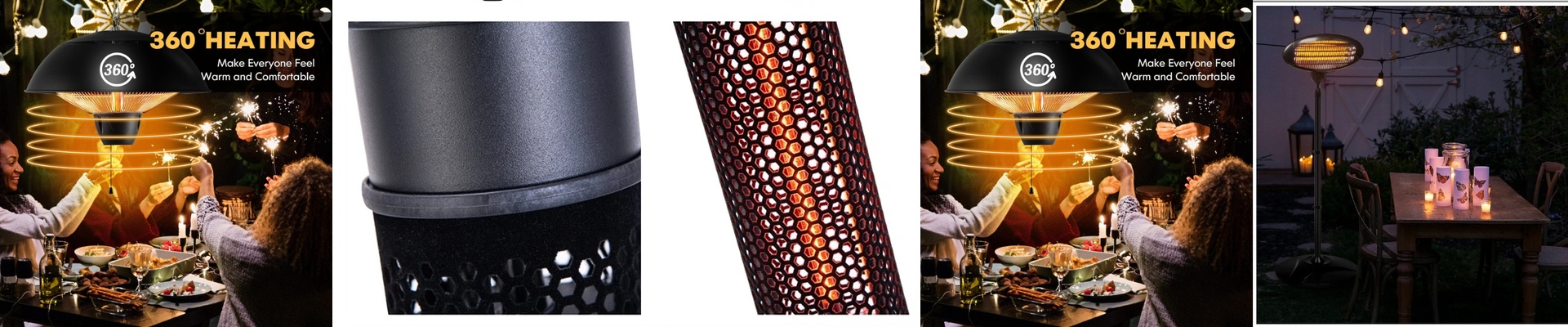
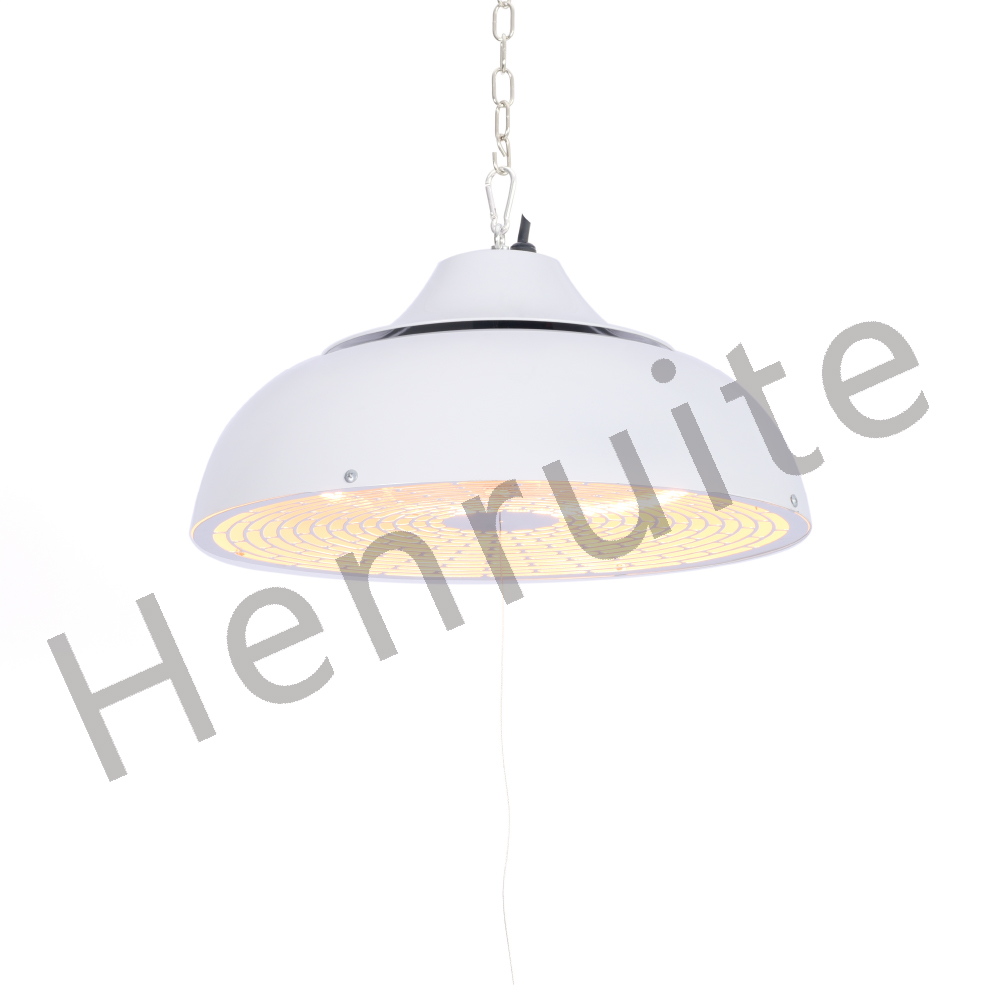
Why you should ditch those old bathroom heat lamps for IP65 Infrared
We’ve all been there. You step out of a steaming hot shower, hit a wall of freezing air, and suddenly you’re shivering while trying to dry off. Most of us rely on those old-school “lamp heaters”—the ones with the glowing quartz tubes. The problem? They aren’t really built for the chaos of a bathroom. Between the steam and the occasional splash, those basic tubes tend to fry themselves pretty quickly. That’s why so many people are switching to IP65-rated infrared heaters. They actually handle the moisture without giving up the ghost. What’s the deal with “IP65” anyway? It sounds like a serial number, but it’s basically just a promise that the unit is sealed tight. Think about it: your bathroom isn’t just humid; it’s a zone of direct splashes and heavy condensation. Standard heaters let that moisture sneak into the electrical parts. That’s where you get that annoying flicker, a loud pop, and a dead heater. An IP65 seal keeps the internals bone-dry. No leaks, no corrosion, no surprises. Heat that actually hits you Here is the cool part about the physics. Traditional heaters try to warm up the air around you. But air is slippery—it moves. One draft from under the door and your heat is gone. Infrared is different. It doesn’t care about the air. It sends warmth directly to your skin and the surfaces around you. It’s instant. The second you flip the switch, you feel that warmth hitting your shoulders. It makes that transition from “steamy shower” to “cold bathroom” way less brutal. A quick heads-up on the wiring Now, I won’t tell you it’s magic. There is one thing to watch out for. These high-powered infrared units pull a fair amount of electricity. If you’re swapping one out in a house built forty years ago, your old wiring might struggle. Thin, old cables can overheat if they’re pushed too hard. To keep things safe and avoid tripping your breakers every time you want to be warm, it’s a smart move to put these on their own dedicated circuit. Easier on you, too The best part? They’re usually a direct swap for your old fixtures. And since the heating element is sealed away, you can stop worrying about dusting the bulbs every few months. You get a cleaner look, a smaller footprint on your ceiling, and a heater that actually lasts.