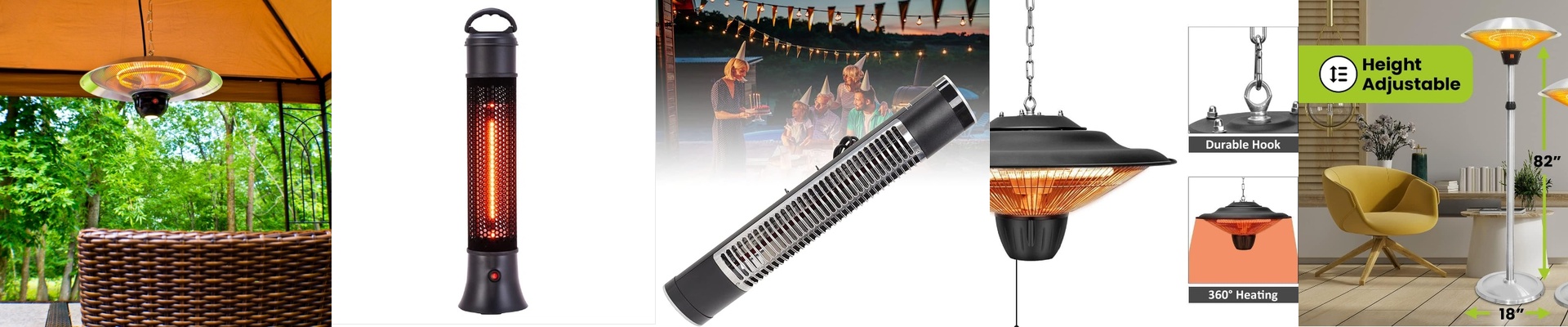
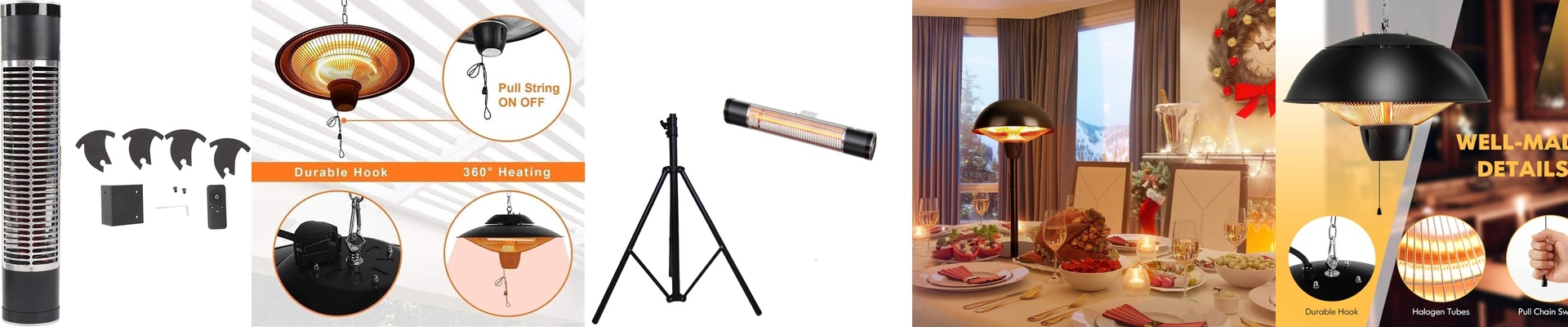
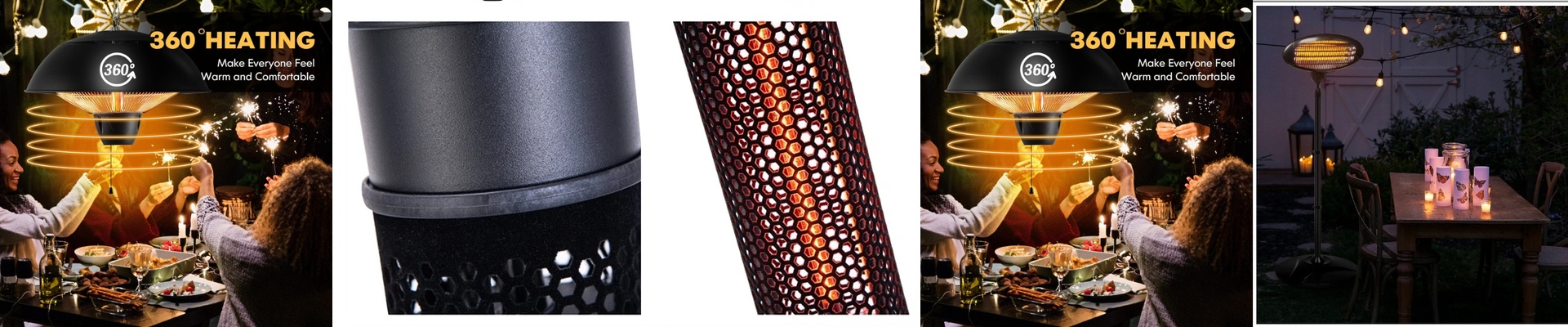
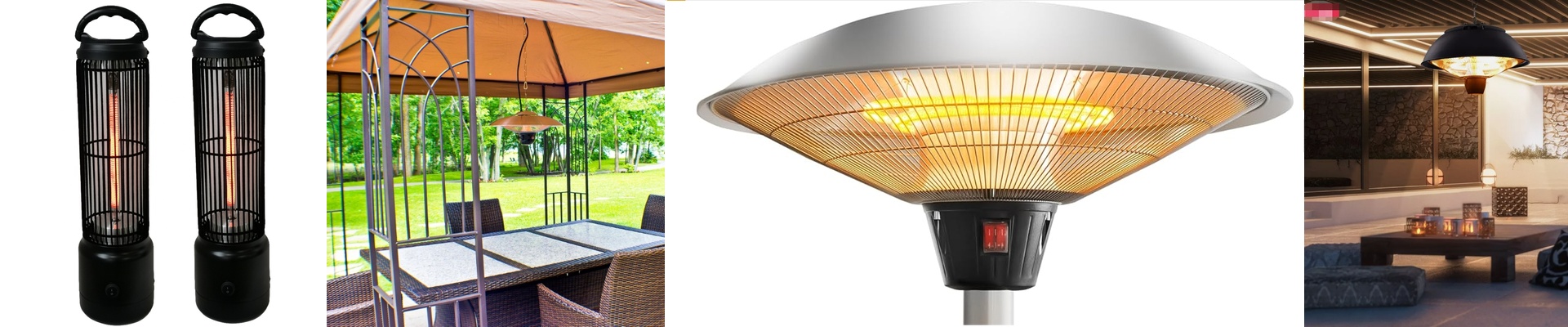
Keeping Your Outdoor Heaters Alive in the Rain and Fog
Let’s be honest: outdoor bars and patios are absolute nightmares for heating equipment. Between the salt air, the sudden rainstorms, and those wild temperature swings, most heaters just give up. Filaments burn out, the housing rusts, and suddenly you’ve got an expensive piece of scrap metal hanging from your ceiling. We’ve spent a lot of time figuring out how to stop that from happening.
Dealing with Water and That Annoying Fog
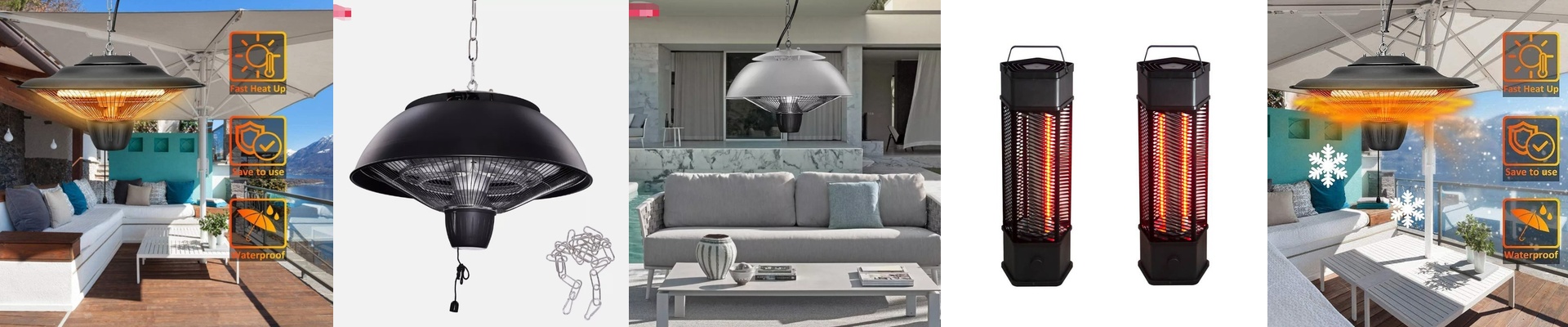
Water is the enemy here. One wrong splash in the wrong place and you’ve got a short circuit. To stop that, we use silicone gaskets and heavy-duty seals at every single entry point. Now, we could just throw an IP rating on a spec sheet and call it a day, but that doesn’t help you when it’s pouring rain. We focus on the real-world stuff—like making sure water doesn’t just “creep” along the chassis and find its way into your wiring. Then there’s the fog. If you’ve ever seen a cold lamp hit a humid night, you know exactly what I mean. Condensation builds up on the quartz tube, which messes with the heat and creates “hot spots” on the glass. It’s a recipe for a cracked tube. We handle this with anti-fogging coatings and a smarter airflow design that clears the moisture out fast. It keeps the heat steady and, more importantly, keeps the glass from shattering.
The Balancing Act: Air vs. Water
Here’s the tricky part. If we seal everything airtight to keep the water out, the electronics inside basically cook themselves. It’s a trade-off. To fix this, we use alloys that pull heat away from the sensitive bits and add strategic vents. It’s a bit of a dance—letting the air move so the unit stays cool, but keeping the rain out. One quick tip for when you’re installing these:don’t crowd them. If you mount the units too close together, the air gets stagnant and the anti-fogging doesn’t work as well. Give them some breathing room. Your lamps will last a lot longer, and your guests will actually stay warm.