Making Your Outdoor Heaters Actually Smart
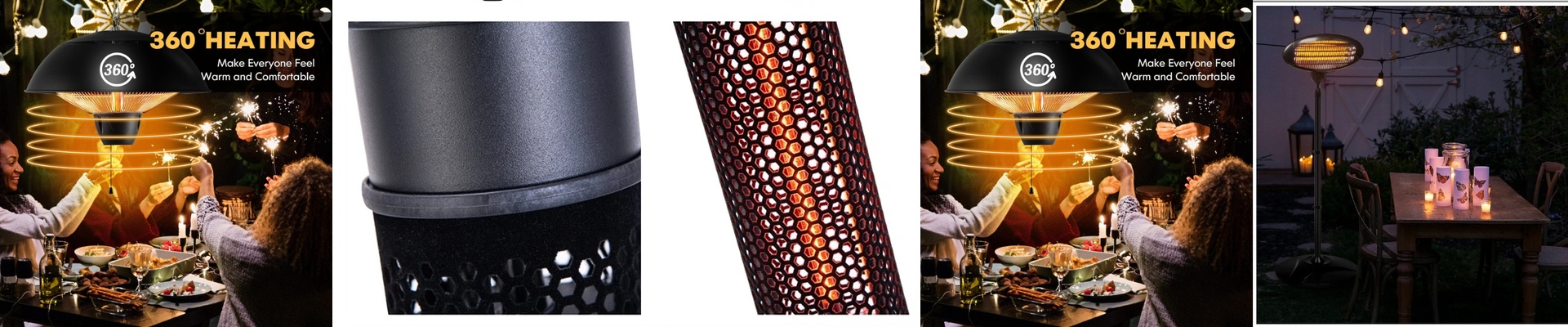
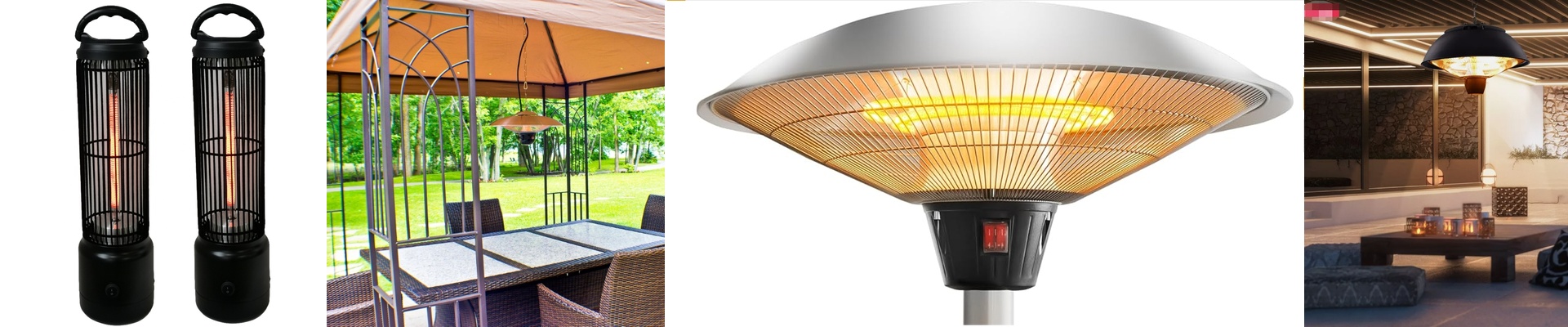
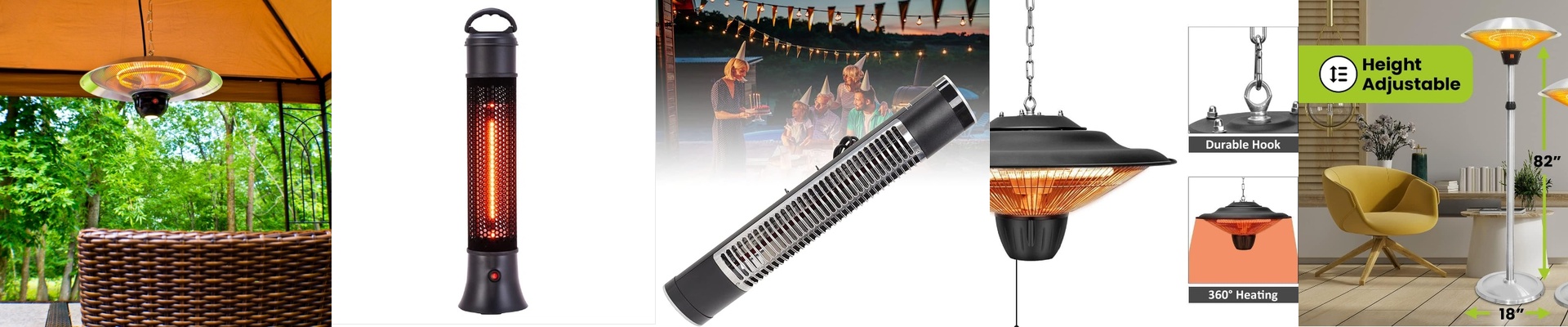
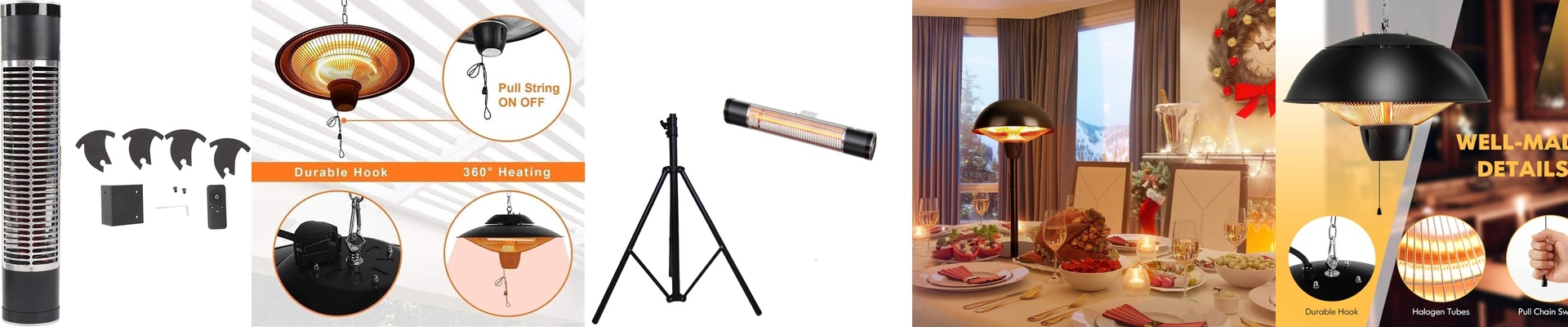
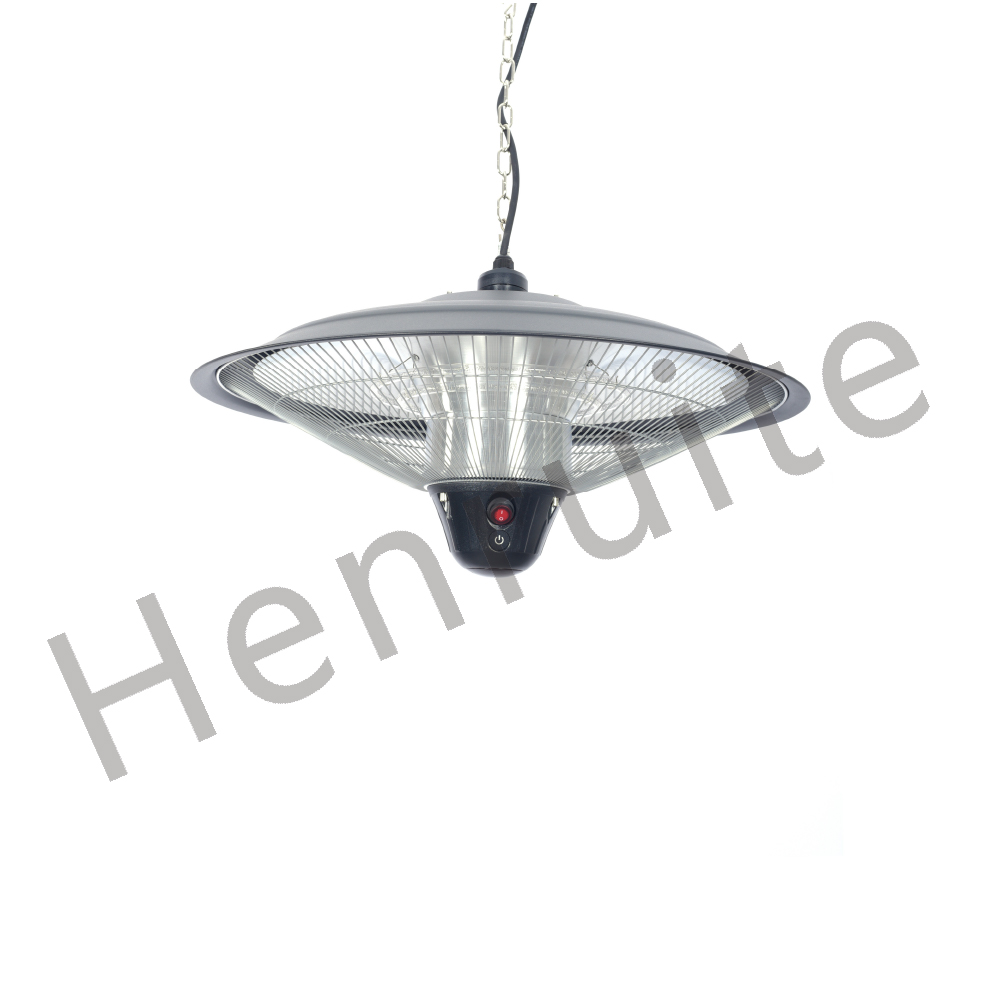
We built these waterproof infrared heaters for one reason: nobody likes waiting around to get warm. Most heaters try to warm up the air, which is a losing battle the second a breeze kicks in. Our gear works differently. It sends heat directly to you and your guests. It’s like stepping into a patch of sunlight on a cold day. And when you hook these up to a smart home system? You stop messing with switches and start just… having a warm patio.
The Magic of “Instant”
Inside each unit, there are quartz tubes that get hot in a heartbeat. If you pair these with a smart relay or a Zigbee/Matter controller, you can flip them on from your phone before you even walk outside. You don’t have to wait for the air to warm up because the infrared waves hit you immediately. It’s fast. Really fast.
Rain, Snow, and Circuitry
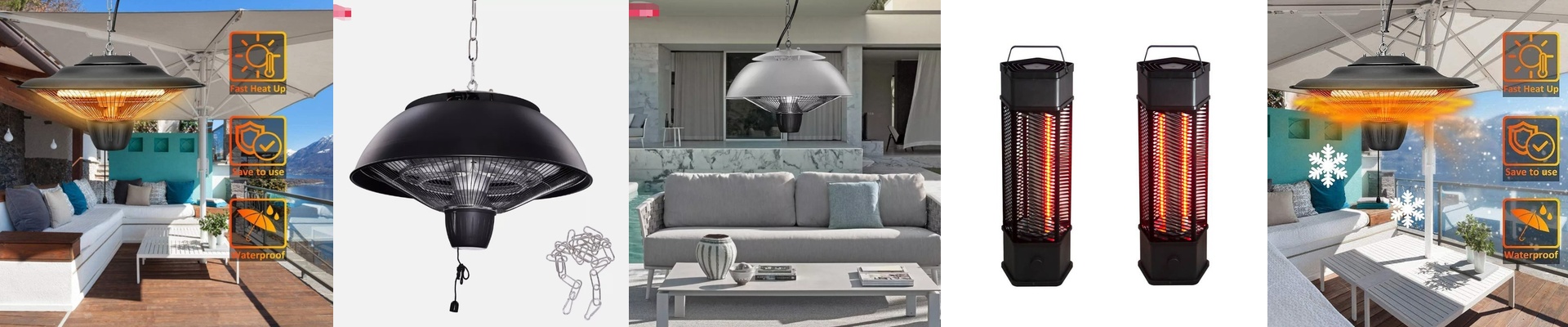
Outdoor gear gets beat up. That’s why we use IPX4 and IP65 ratings—basically, we make sure a bit of rain or a splash of water won’t fry your electronics. But here’s the tricky part: you’ve got a high-voltage heater talking to a low-voltage smart controller. If you just wire them together, the smart switch will likely melt under the pressure of a 2kW or 3kW load. To stop that from happening, we use heavy-duty contactors. They take the brunt of the power surge so your smart home hub stays safe.
A Few Things to Watch Out For
Adding “smart” features makes the wiring a bit more complex. First off, don’t just plug these into a random smart plug you bought at the store. Most of those can’t handle the wattage and will just pop. You need a dedicated circuit and a relay that can actually handle the load. Also, be careful about putting too many heaters on one loop. If you flip them all on at once, you’re probably going to trip your breaker. My advice? Calculate your total power draw and set up a staged power-up sequence. It keeps the voltage steady and ensures your lights don’t flicker every time you want to warm up the deck.