Stop the Cracks: Managing Thermal Shock in Glass Production
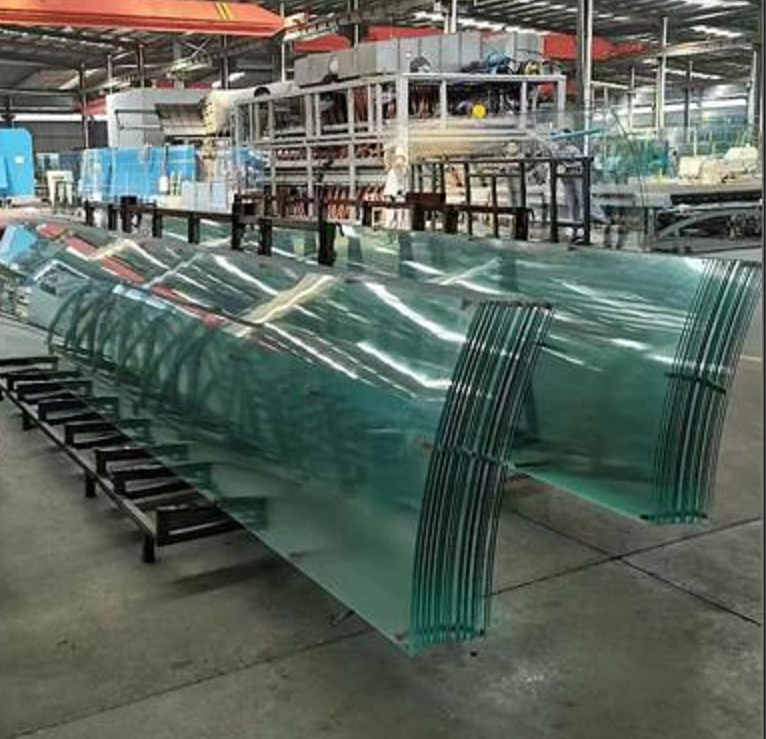
Tempering glass is a bit of a tightrope walk. You need to get it hot—fast—but you have to keep the temperature even across the whole sheet. If you just blast it with heat without any nuance, the glass panics. You get thermal shock, and that usually means a loud pop and a lot of wasted material. To stop that from happening, we use shortwave IR lamps and high-speed power controllers. It’s a combination that just works.
Why speed is everything
Here is the thing about shortwave IR lamps: they have almost no thermal mass. They don’t “warm up” like an old oven. They hit full blast the second you flip the switch and drop just as quickly when you cut the power. But we don’t just flick a switch. We use SCR or Thyristor controllers to tweak the power in real-time. When the glass first rolls in, we ramp up the wattage slowly. It’s a gentle introduction to the heat so the glass doesn’t go into shock. If a sensor picks up a temperature spike, the controller trims the power back in milliseconds. It’s that split-second reaction that keeps your glass intact.
Finding the “Sweet Spot” for distance
The gap between your lamp and the glass is where the real magic happens. If the lamp is too close, you get these nasty “hot spots.” The glass expands unevenly in one spot, and crack—there goes your piece. But if you push the lamp too far away, your cycle times crawl, and you’re losing money. We usually calculate a safety gap to make sure the heat spreads evenly. If you use a higher-wattage lamp, you can afford a wider gap. This is a win-win because you still get the heat you need, but you don’t have to worry as much about the lamp accidentally touching the glass or overheating the edges.
The hidden cost of power
There is a trade-off, though. Pushing this much IR energy puts a serious strain on your electrical cabinet. Fast modulation is great for the glass, but it’s tough on the gear. It creates electrical noise and a lot of heat inside your control boxes. If you skimp on your cooling fans or heat sinks, you’re going to fry your electronics long before the lamps actually wear out. Keep your gear cool, and the whole system will run smooth.