Glass Jewelry Annealing: Why Infrared Lamps Give You Instant Tempering with Snap-Quick Power Control
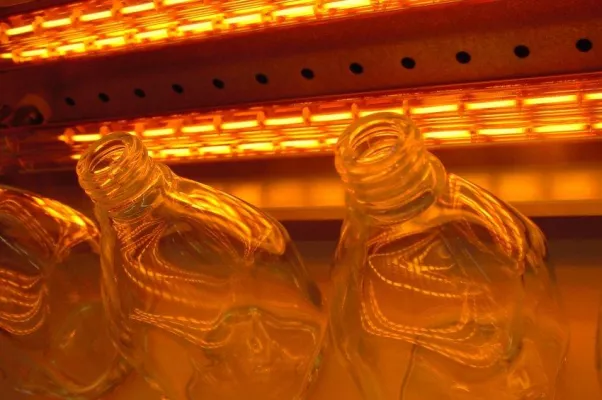
In glass jewelry work, annealing is the moment of truth. One minute you’ve got a beautiful piece. The next, it’s a crack in your hand. So we built an annealing lamp for the real shop floor—one that keeps up with the pace. It uses infrared to hit the exact spot with immediate heat, and it lets you dial the power up and down fast, so you can steer clear of thermal shock.
Power, Voltage, and Size: The Details That Matter
We designed this lamp to pack serious heat into a small footprint. It runs at 400V, which keeps the current steady even when the power flips on and off rapidly. That means the element stays at the right temperature, shift after shift. At 2500W, it ramps fast—hit your target temperature quickly without overshooting and risking stress inside the glass. And the 300mm tube length? It matches the scale of jewelry work and small parts. You get a clean, focused heat zone without heat bleeding everywhere.
Material and Design: Built to Handle the Heat, Again and Again
The tube is quartz, and that matters. It can take sudden temperature swings without throwing in the towel. The coating is tuned to shape the infrared spectrum, so more heat gets absorbed by the glass and less gets wasted. Inside, a halogen fill keeps the filament stable through repeated cycling, so output stays consistent day after day. And the R7s connector? It’s a straight-in, industrial fit that makes wiring simple and secure—and it can take the jolts and handling of a busy bench.
What It Feels Like to Use: Control That Actually Protects Your Work
Here’s the heart of it: rapid power adjustment is how you protect the piece. You can change output in real time—hit it with a sharp heat pulse for surface tempering, then back off before the heat gradient can build up internal stress. That’s the difference between pieces that survive and pieces that crack. It also keeps your cycle time tight, which matters when you’re running production. Now, a heads-up: that 2500W density means you need proper cooling and the right spacing. Plan your airflow and clearances, and this lamp becomes a tool you can count on—steady, repeatable, and ready for the next run.