
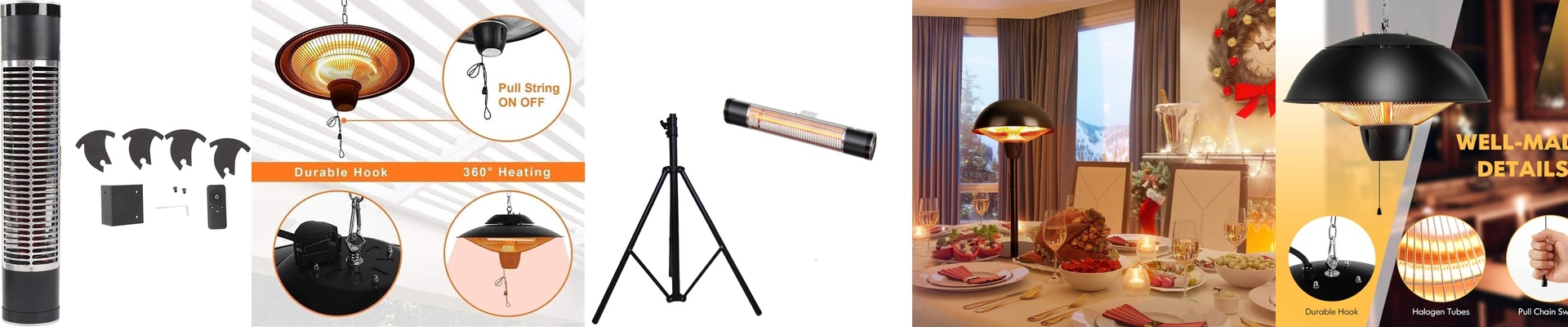

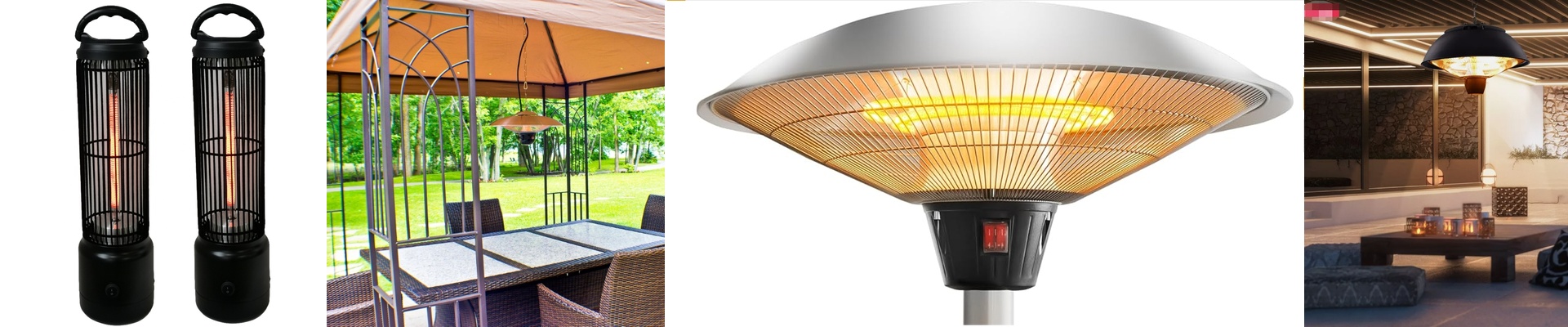
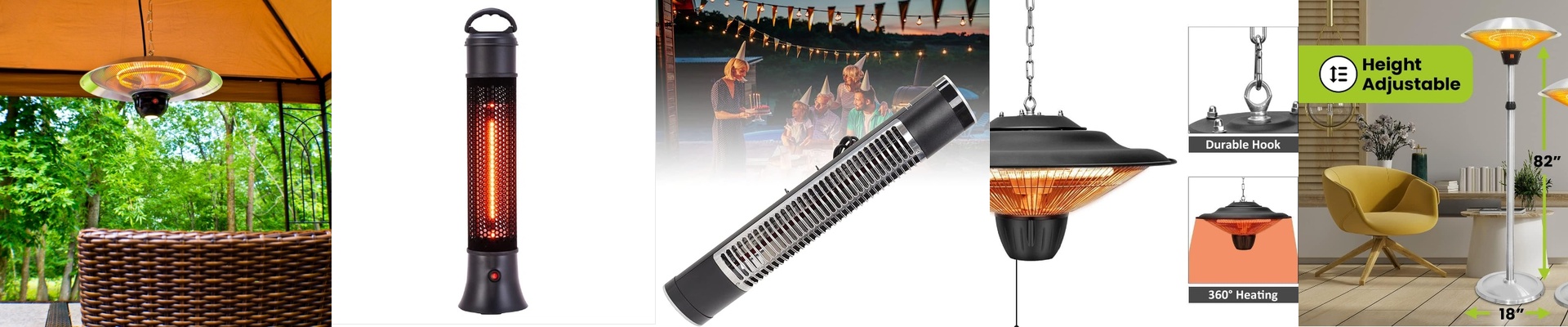
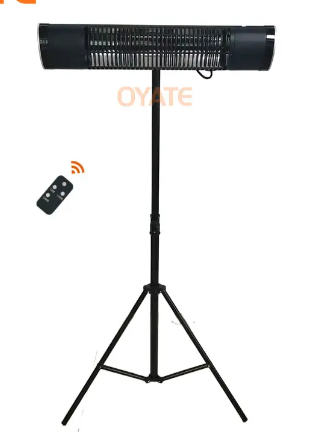
The first cold snap hits, and suddenly the office turns into its own quiet performance killer. Hands stiffen, shoulders hike up, and focus slides off the rails. Forced-air systems push warmth that rises and vanishes, while drafts and uneven spots leave people digging for extra layers. Infrared electric heaters cut through that problem by warming people and surfaces, not just the ceiling. What’s actually going on under the hood We build these around radiant heat—carbon fiber elements inside a quartz tube, delivering long-wave infrared warmth. Power on, heat on. No waiting around. In a typical office setup, a 1500W model throws down broad, directional coverage, so you can aim it at workstations, meeting areas, or entry spots. You get comfort where it matters, without the noise and air movement that kick up dust and dry out eyes. Comfort isn’t a perk here; it’s what keeps output steady and interruptions down. With infrared warmth, people feel more consistent, circulation eases up, and muscle tension loosens—small shifts that cut the strain that often shows up before winter illness. Because the heat is directional, you can run the ambient air cooler and still keep people comfortable, which can help manage energy use. The payoff is a space where teams work easier, miss fewer days, and stay on it through the colder months. Here’s the practical bit: infrared heaters do their best work when aimed at occupied areas, not wide-open hallways. Plan for line-of-sight placement, and double-check local electrical requirements. These units plug into standard outlets, but a dedicated circuit keeps breakers from tripping when demand spikes. They deliver comfort fast, but they aren’t designed to heat the air the way a central system does—so pair them with your existing HVAC for balanced coverage.