
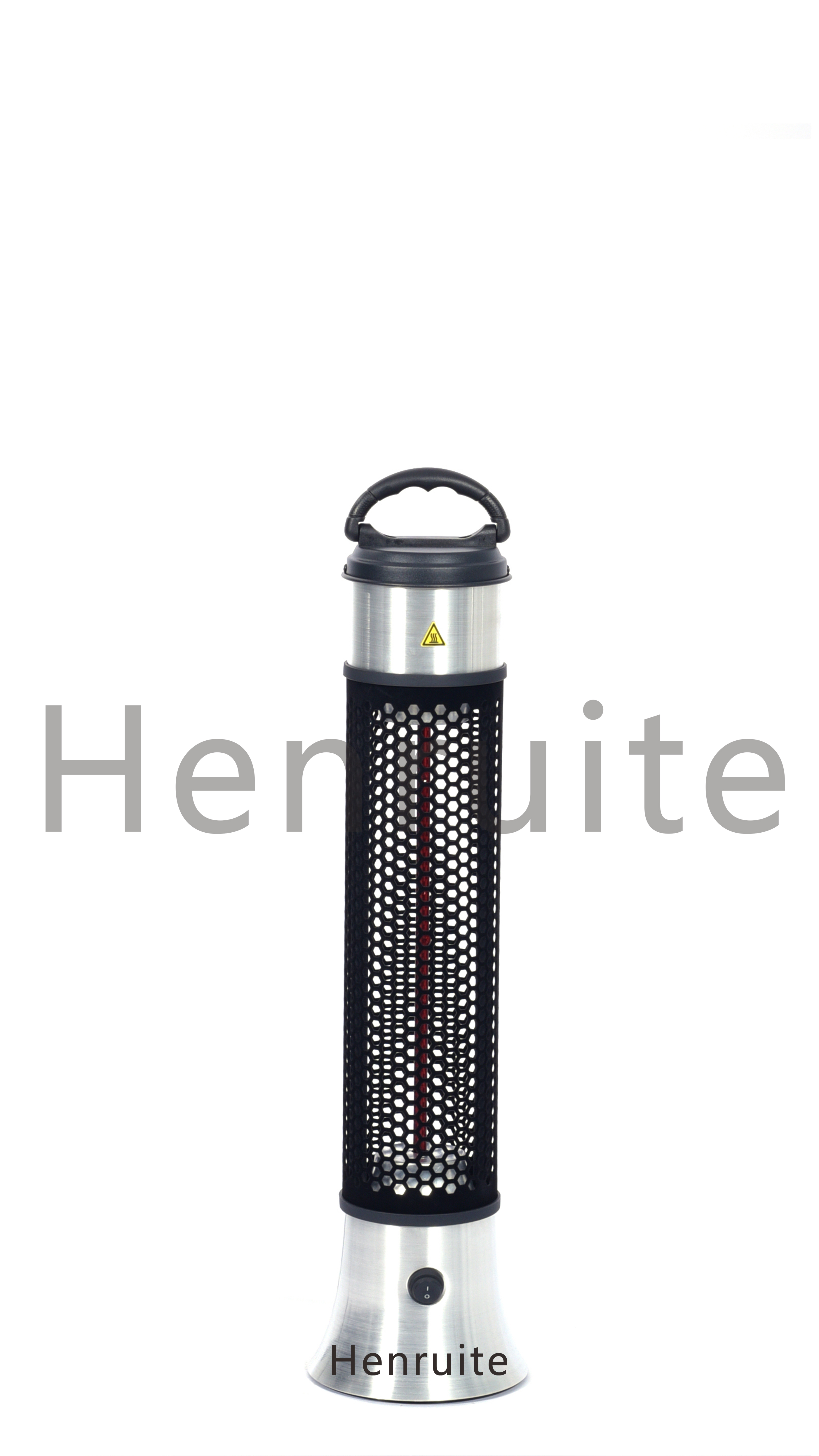
Why “Explosion-Proof” Quartz Actually Matters for Your Bathroom
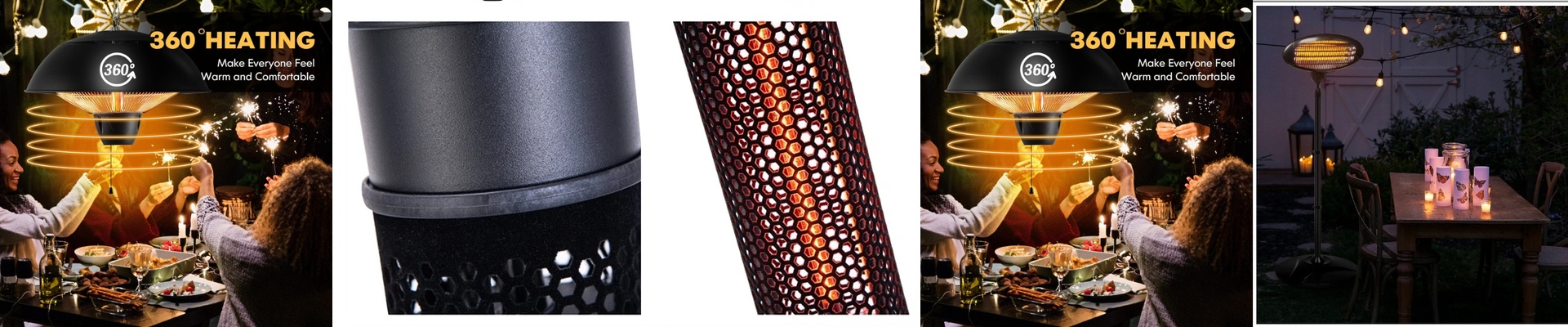
Let’s be honest: bathrooms are a nightmare for electronics. You’ve got steam everywhere, random water splashes, and temperatures that jump from freezing to sauna-level in minutes. When you turn on an infrared heater, that little filament inside gets incredibly hot. If the glass around it fails, you aren’t just looking at a broken bulb. You’re looking at a mess—and a real safety risk. The “Pop” Factor Here is the thing about standard quartz: it loves heat, but it hates surprises. Imagine a lamp glowing at 600°C. Now imagine a single, stray drop of cold water hitting that surface. In a normal tube, that’s a recipe for a loud pop and shattered glass. That’s why we use explosion-proof quartz. We’ve tweaked the material and thickened the walls so the glass can handle that sudden shock without giving up. It just stays put. How the Heat Actually Works We use high-purity quartz for a specific reason. It lets short-wave infrared radiation pass right through it. What does that mean for you? It means the heat goes straight to your skin instead of getting trapped in the glass. The tube stays cooler, which means you’re less likely to get a nasty burn if you get too close, and the glass doesn’t wear out nearly as fast. Inside, there’s a tungsten filament designed to kick in instantly. You get that “wow, it’s warm” feeling the second you flip the switch. But because it’s so hot, the seals at the ends have to be perfect. If even a tiny bit of moisture sneaks in, the filament is toast in a few hours. The Reality Check Now, let’s be clear: “explosion-proof” doesn’t mean indestructible. Some companies try to cut corners by using a cheaper quartz blend. It might look the same, but you lose that shock resistance. It’s a risky trade-off just to save a few cents. And one last thing—while the glass won’t shatter, it’s still hot. We build the housing to keep you safe, but you still shouldn’t go poking the lamp while it’s running. Common sense still applies.