
Why Your Bathroom Stays Damp (And How We Actually Fix It)
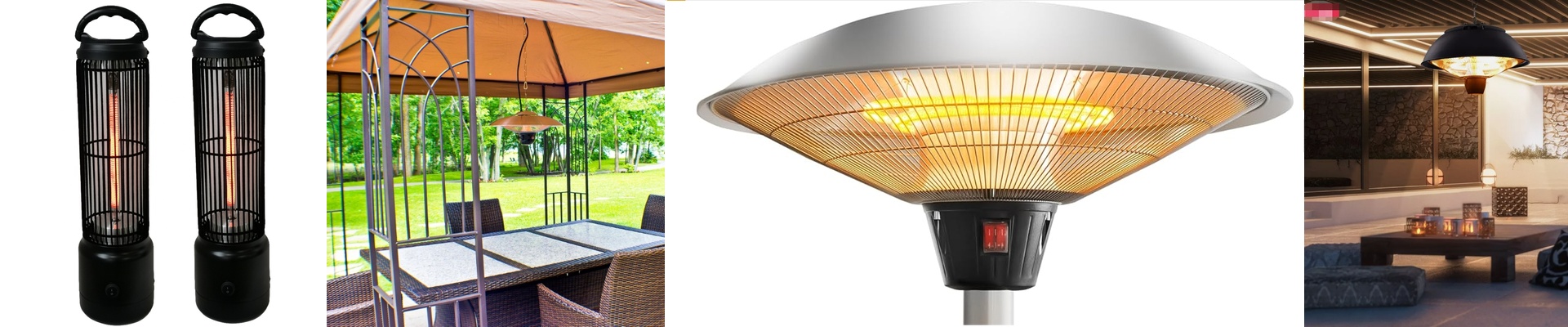
Most people assume those heating lamps in the ceiling just warm up the air. But that’s not really what’s happening here. We build these using short-wave infrared (IR) radiation. Instead of trying to heat the air—which is pretty inefficient—this energy goes straight for the surfaces. It hits your skin, your walls, and those cold tiles directly.
Dealing with the damp
Mold loves a damp, still bathroom. It’s the perfect breeding ground. To stop that, we tuned our lamps to target water molecules specifically. When those IR waves hit wet tiles or grout, they basically shake the water molecules up, giving them enough energy to evaporate way faster. You aren’t just making the room cozy. You’re actually stripping the moisture off the walls before it has a chance to soak into the porous grout and cause problems later.
The gear inside
We use high-purity quartz glass for a reason: we don’t want the IR spectrum getting blocked. Inside, there’s a tungsten filament. When we crank up the wattage, that filament gets hot enough to shift the light toward those shorter wavelengths. That’s where the magic happens. That’s the “drying” effect. The best part? It’s instant. There’s no waiting around for the room to warm up. You can jump out of the shower, blast the moisture away for a few minutes, and then just flip the switch off.
A few things to keep in mind
Now, these lamps pack a lot of heat into a tiny space. Because of that, you can’t just slap them anywhere. If they’re mounted too low or if there’s zero ventilation, you might overheat your ceiling fixtures. You’ll also want to make sure your wiring is up to the task to handle that initial surge of power when you turn them on. One last thing: these lamps are great for drying, but they aren’t a magic replacement for your exhaust fan. You still need that fan to pull the evaporated steam out of the house. Otherwise, you’re just moving the water from the wall into the air, and you’re right back where you started.