

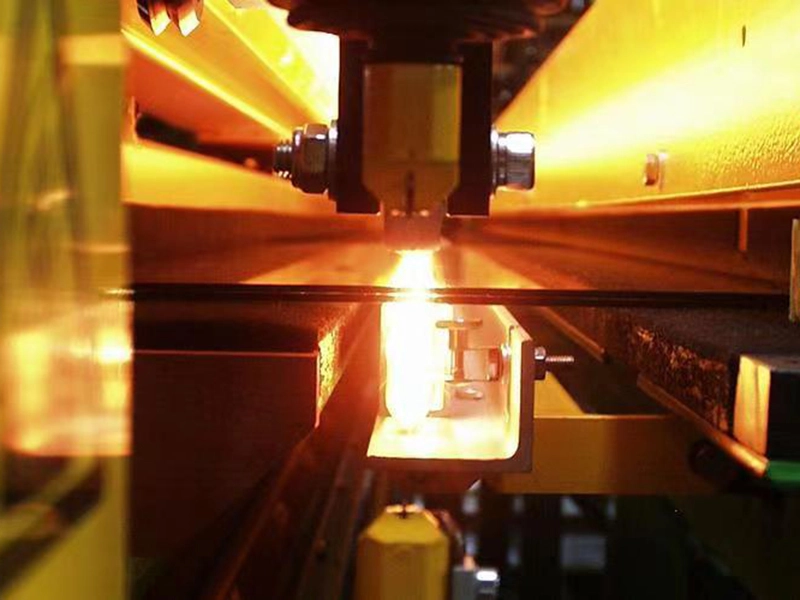
On the line, annealing is where you stop thermal stress before it turns into scrap. Slow heater response, a drifting temperature profile—you pay for both in fractures, optical distortion, and rework. We built our fiber glass annealing heaters to hold that critical zone steady, shift after shift, with repeatable heat delivery. What matters, technically We run a high-emissivity fiber heating element in a compact, low-thermal-mass design. That means it heats fast and cools fast when the setpoint changes, so you get tighter control over the annealing curve. The payoff is less residual stress in both flat and curved glass. Available in standard voltage and power ratings, the heater geometry fits common machine footprints. Termination and mounting options keep installation straightforward and keep the thermal joints stable. Why this works in real glass processing Whether you’re annealing after bending, stabilizing pre-cut sheets, or setting up a consistent temperature before lamination, predictable heat beats brute force. Faster stabilization shortens cycle time. Better uniformity cuts rejects that come from thermal gradients. And because the element is efficient and the control response is direct, you use less energy per part without slowing output. In practice, that translates to fewer line stops, fewer off-spec sheets, and a more consistent daily throughput. Here are the things to get right Compatibility isn’t optional. We supply direct-fit replacement configurations for major glass machinery brands, using adapter plates and standardized mounting points so the install is non-destructive. Plan for clean power and stable voltage. These heaters are sensitive to big fluctuations, and a clean supply protects both the element and the control system. Match the heater to the machine, align the thermal interface, and the annealing zone behaves the way it should—consistent, measurable, and repeatable.