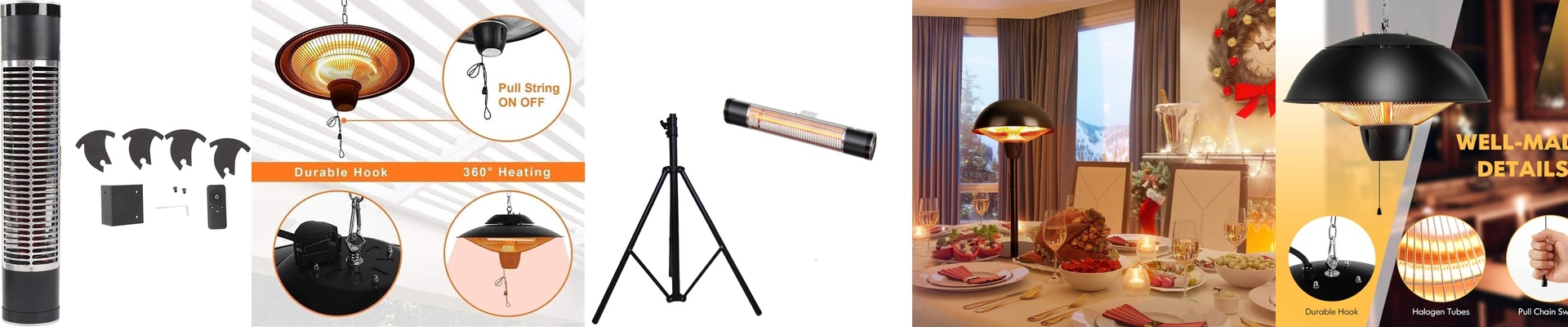
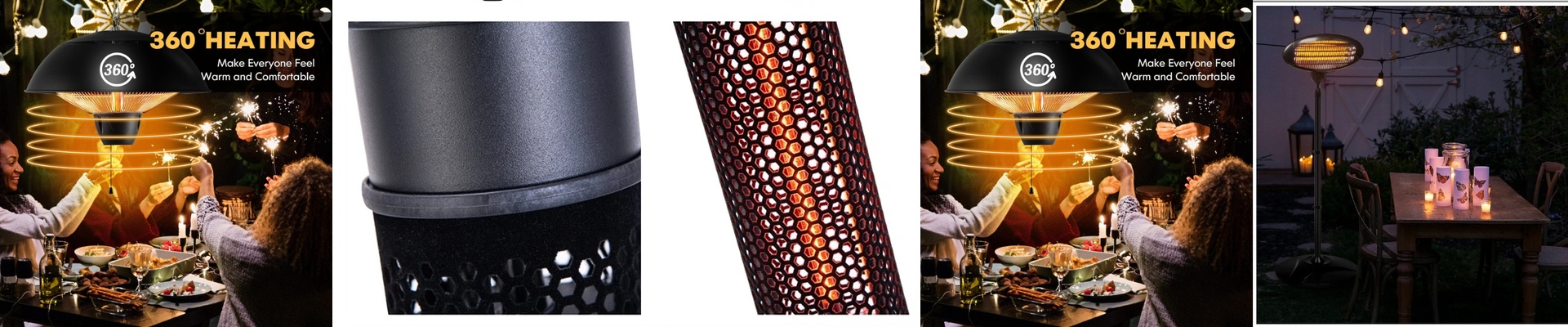
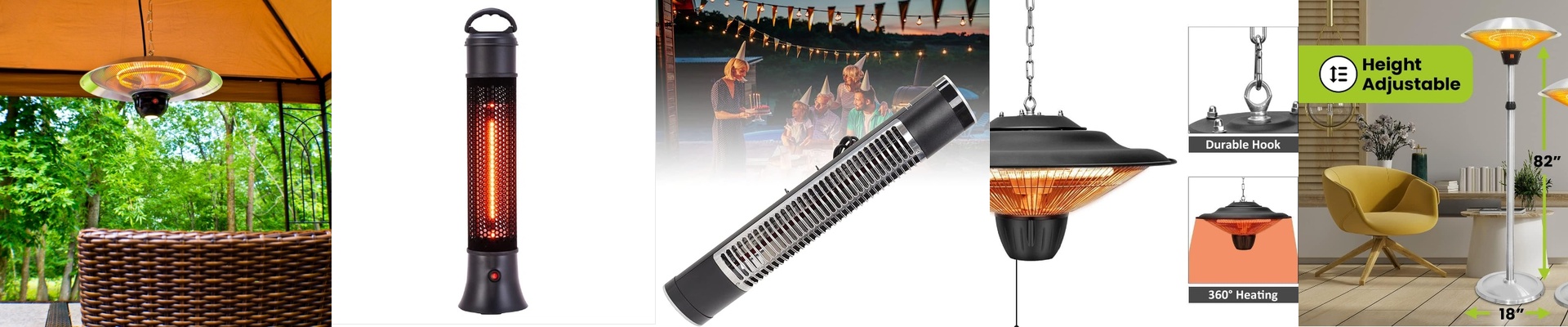
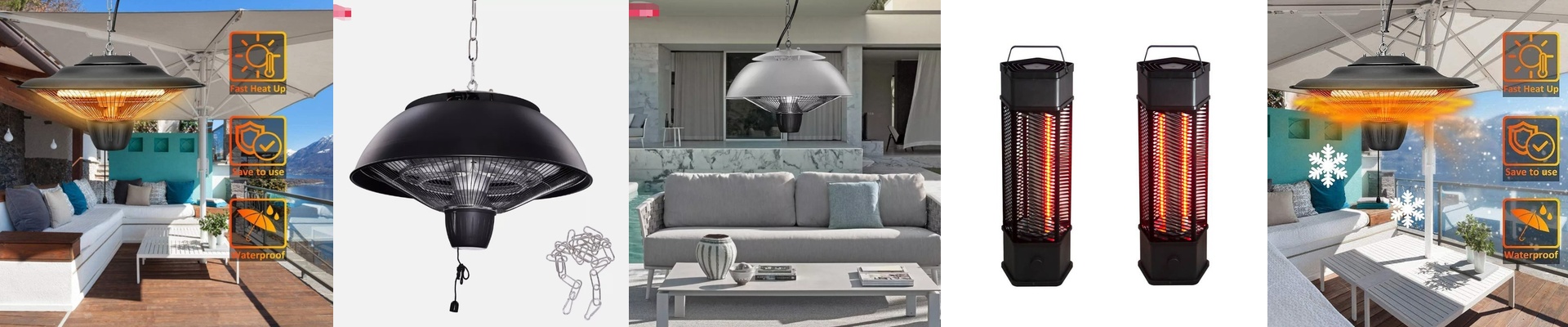
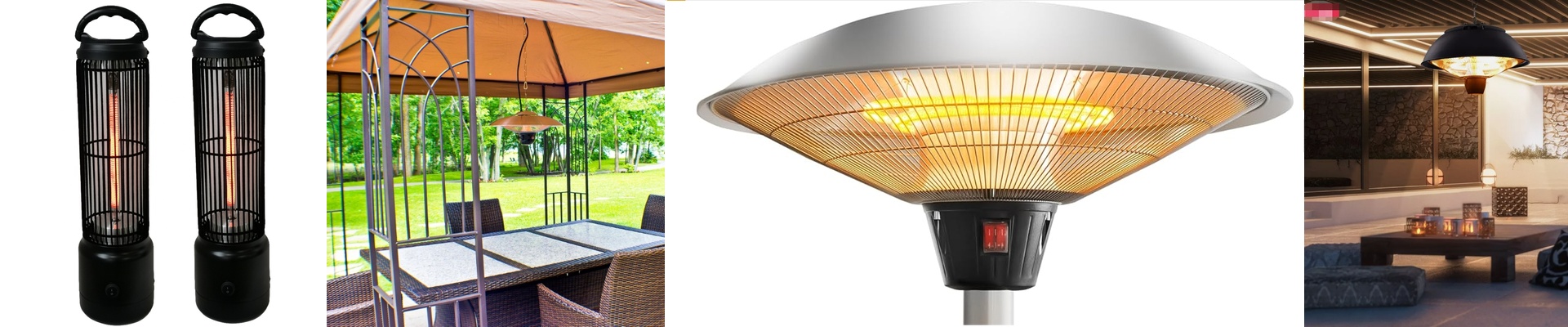
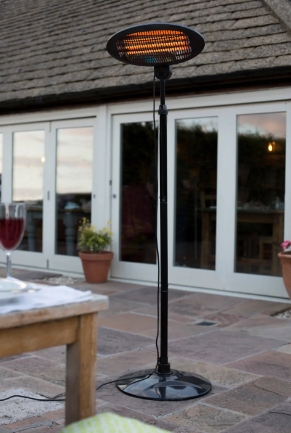
Picture the lights dim, the screen glows, and the first notes of your favorite film hit. Then the faint whir of a fan heater kicks in and pulls you right out of the moment. That’s exactly the problem we set out to fix. A fake flame heater uses infrared radiant warmth, so you get heat without the mechanical noise that ruins immersion.
What matters under the hood
We built our fake flame heater around a quartz infrared element. It throws short-wave radiant heat, warming people and objects directly instead of the air. The payoff is immediate comfort, with no fan needed. The unit runs quiet—often under 35 dBA—because there’s no blower motor. Many models plug into a standard 120V outlet and draw 1.5 kW, so you get solid warmth in a small footprint. For safety, you get tip-over protection and a cool-touch outer shell. The fake flame display adds visual warmth, giving a gentle glow that reads like a real fire—without the smoke or upkeep.
Why it clicks in a home theater
Home theaters live or die on silence. Conventional heaters stir up dust and air, and the noise yanks you out of the story. Our fake flame heater delivers infrared warmth that feels natural and steady. You feel cozy within seconds, and the heat profile stays even across the seating area. Because the element heats objects, not air, there’s no draft and no drying effect. Fewer distractions, more comfort—and a viewing experience that stays immersive.
What you need to know
Infrared heat is directional. Position the unit so its warmth sweeps across the main seating area. It’s designed for indoor, dry environments, so keep it away from moisture and direct outdoor exposure. For best results, match the heater to the room layout and use the built-in thermostat to hold a steady temperature. The fake flame effect adds atmosphere, but it’s thequiet, dependable warmththat makes the difference.