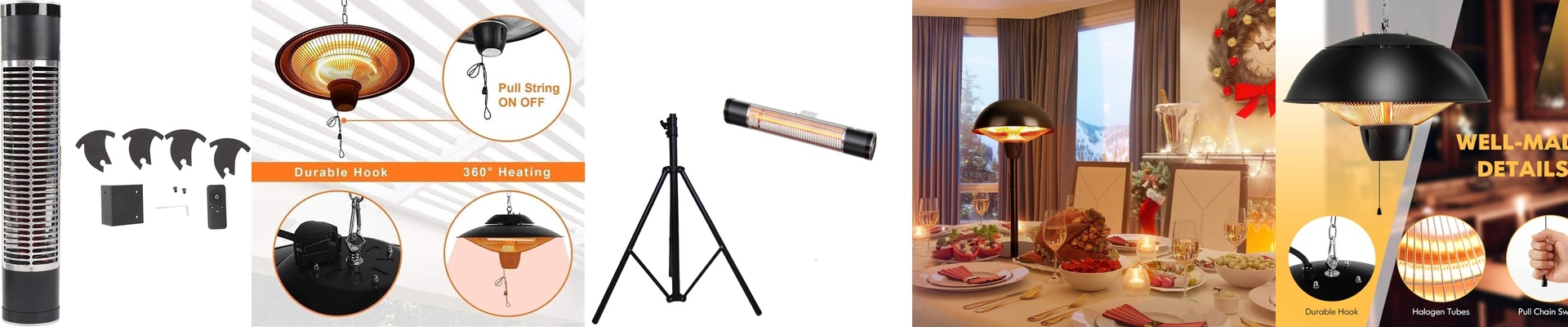
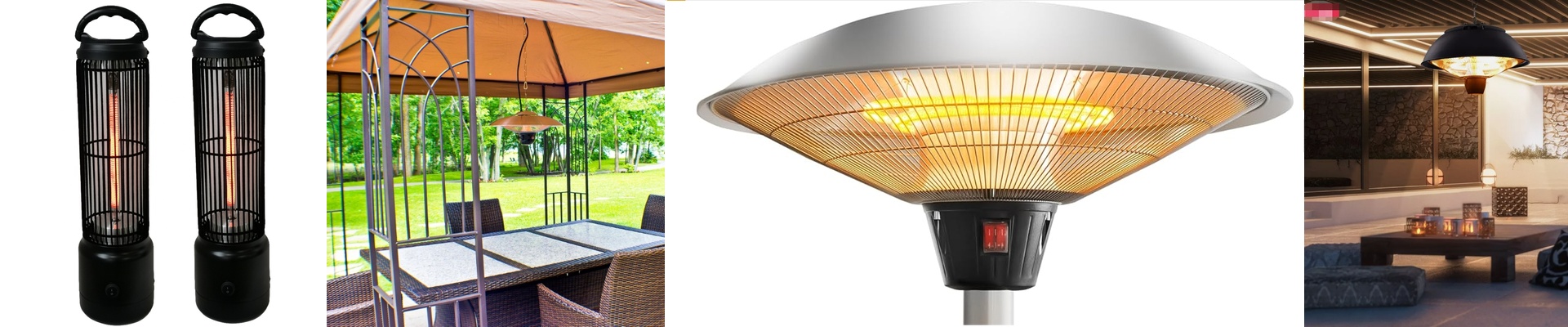

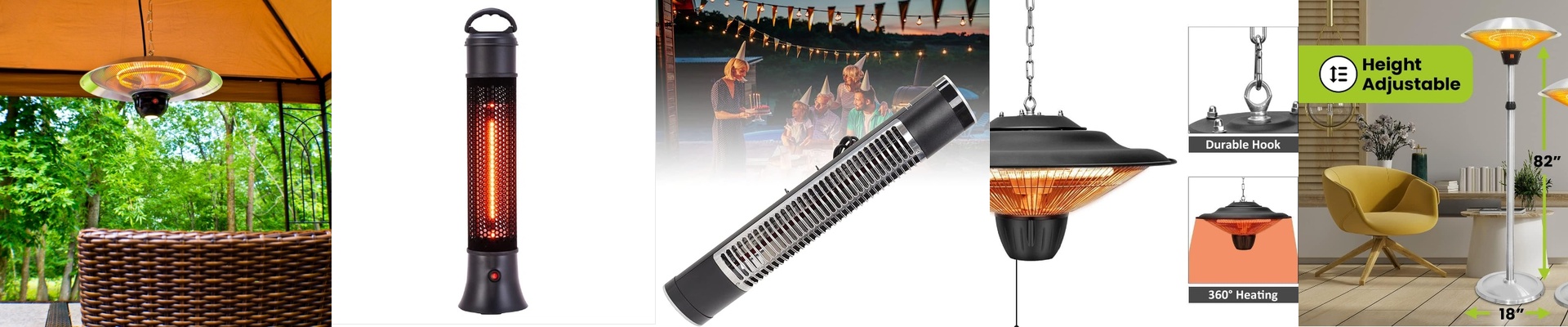

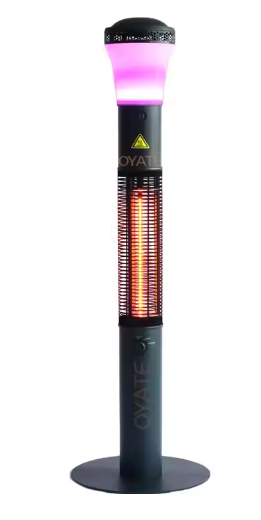
Every winter, municipal workshops get hit with the same hard reality: the heating bill. Fuel invoices pile up, maintenance crews rack up overtime, and every time a bay stays too cold, work stops. When the budget gets tight, the question isn’t just about keeping people warm—it’s about keeping heat where it’s needed, period. We build workshop electric heaters around one straightforward idea: radiant warmth. These units don’t push air around and chase heat up into the rafters. They send infrared energy straight down onto people, tools, and work surfaces. That difference in how heat is delivered is exactly what changes the numbers on the monthly statement.
What matters on the technical side
Infrared workshop heaters use radiant elements that deliver warmth you feel within seconds. In practice, that means no long warm-up cycle before a shift starts. The common choices are quartz tubes and carbon fiber elements, both built for steady output and long service life. Electric infrared heaters are designed to work with standard electrical systems, so they plug into what most workshops already have. Typical units run on 240V, with power ratings matched to the space—1.5 kW for small utility rooms, and 3 kW and higher for large bays. We size the heater to the room, not to a guess, because the right power keeps comfort up without tripping circuits. You also get the details that make electric heating dependable in real-world facilities: adjustable mounting brackets for overhead or wall installs, thermostat control to hold a steady temperature, and safety features like tip-over protection and overheat cutoff. In workshops that see dust, moisture, and hose-down cleaning, we spec IP ratings to keep the internals protected.
Why this approach fits these spaces
Municipal buildings—workshops, vehicle bays, maintenance sheds, storage halls—all share the same pattern: heat demand is uneven. Doors swing open and shut. Cold vehicles roll in. Work zones shift. Forced-air systems keep reheating the entire volume, and most of that heat is gone the second the bay door goes up. Infrared electric heaters don’t work that way. They deliver warmth in a focused pattern, warming objects and people directly. When the door opens, the heat isn’t instantly lost, because the air isn’t the main carrier. That matters in places where activity and airflow never really stop. This also makes zoning smarter.Instead of heating a cavernous hall, you can place heaters above workbenches, near inspection points, and around equipment stations. Temperatures stay steady where the work happens, and energy use drops where you only need occasional warmth. Then there’s the maintenance side. With no combustion, there’s no fuel delivery schedule, no flue inspections, and no storage tanks to manage. Fewer moving parts mean fewer service calls—less downtime and fewer labor hours spent on heating upkeep.
What to get straight before you buy
Infrared electric heaters are simple to install, but they still need planning. The biggest factor is electrical capacity. If a workshop plans to run multiple heaters, the panel and wiring have to handle the total load comfortably. If the system is older, a phased installation—starting with the highest-traffic zones—usually makes the most sense. Placement matters. Radiant heat works best with a clear line of sight to the target area. High mounting is common, but it has to be set so the beam spreads across workstations, not above them. We include mounting heights and coverage diagrams for each model so you can plan before you commit. One thing to keep in mind: infrared warmth is immediate at the point of contact, but it doesn’t heat the air first. In very drafty spaces, the surrounding air can still feel cool. In those cases, pairing infrared heaters with localized air movement or supplemental heating at entryways keeps comfort consistent. And of course, check local codes for electrical work in commercial and municipal settings. A qualified electrician makes sure the wiring, grounding, and overcurrent protection meet the building’s requirements. Get that part right, and the heaters just do their job—quietly, safely, and with a noticeable drop in annual heating costs.