

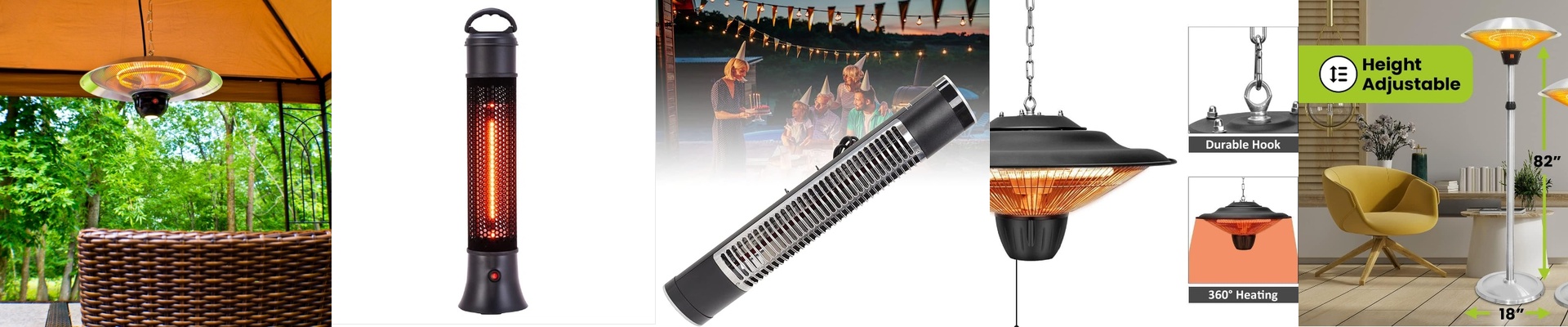
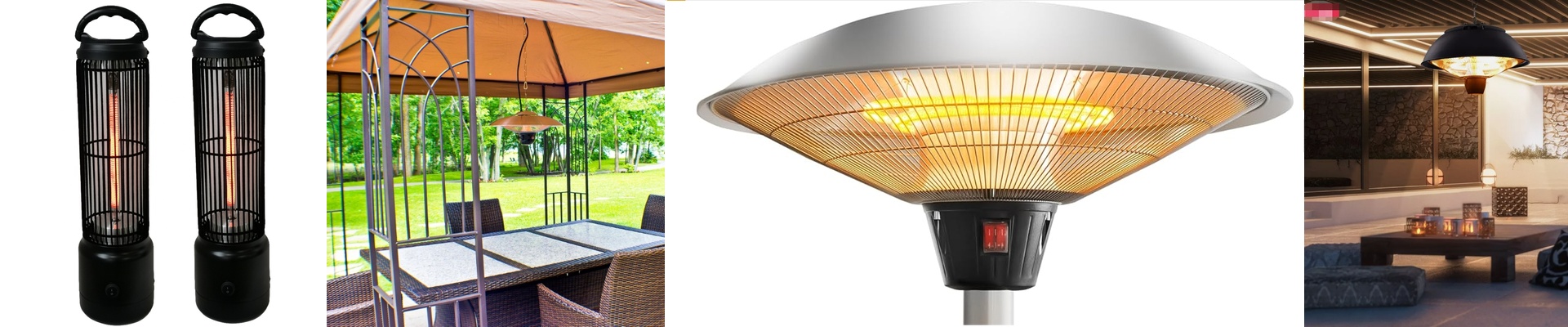

On the road, quiet is gold. After a long drive, nobody wants a heater that drones all night and drowns out the sound of rain on the roof. A truly quiet electric heater delivers comfort without the noise, and for RV travelers, that peace is just as valuable as the warmth.
What’s actually under the hood
We built this electric heater around a carbon fiber infrared element. It throws radiant warmth—heating people and objects directly, not the air. You feel the heat within seconds, even when the cabin is cold. The unit runs 400–800 watts on 110–120V, so it sits comfortably on standard shore power and plays nice with many inverters. A built-in thermostat holds the set temperature, and tip-over protection shuts the heater off if it gets knocked over. The housing stays cool to the touch, and with no fan, it runs at a whisper.
Why this works in an RV
RV life is all about tight power budgets and limited space. This compact infrared heater uses less energy than forced-air units because it targets warmth where you need it, without stirring up dust or drying out the air. In off-grid setups, that efficiency means longer run times off the batteries—and quieter evenings. You get steady heat that makes for better sleep, easier mornings, and relaxed time around the table. For couples and solo travelers alike, it turns a cold night into a cozy one—no hum, no fuss.
The fine print—what you need to keep straight
This heater is designed for indoor use in your RV. Keep it away from water, and never run it while sleeping in an enclosed sleeping area without ventilation. It plugs into a standard outlet. If you run it off an inverter, size the inverter to handle the startup current and keep the heater on a dedicated circuit. Set it on a level, stable surface and clear a 3-foot zone around it. For best results, pair it with good insulation and thermal curtains to hold the warmth in.