
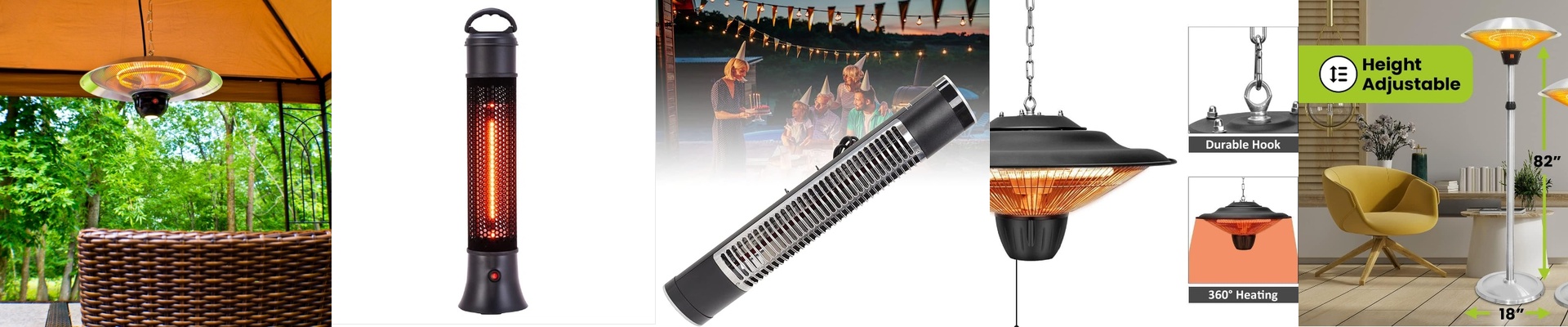

When winter settles in, cold floors and drafty corners do more than make a room feel chilly. For a lot of people, the first sign is stubbornly cold hands and feet—an uncomfortable reminder that air temperature alone doesn’t dictate comfort. Infrared radiant heat changes the feeling of a space because it warms people and objects directly, not just the air around them. That shift is why a well-chosen infrared space heater can turn a shiver-prone evening into steady, soothing warmth.
What matters, technically
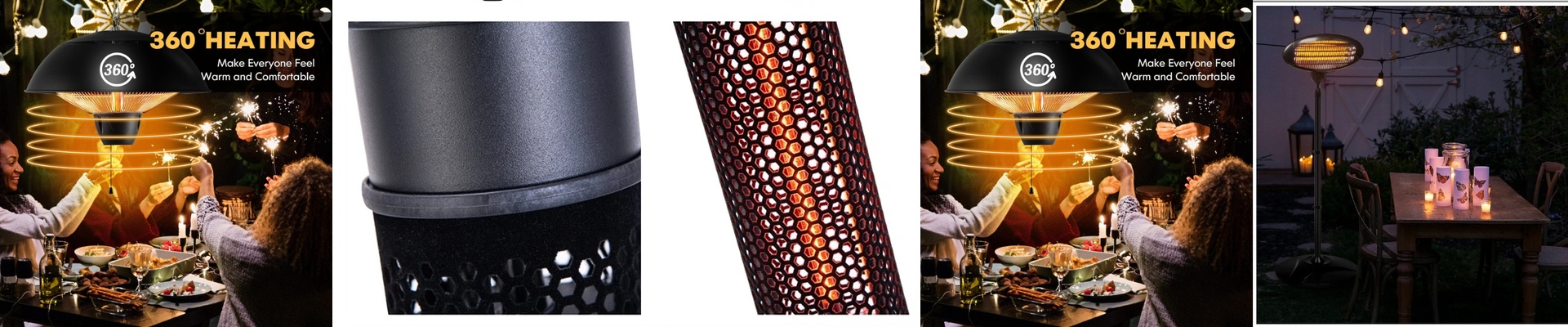
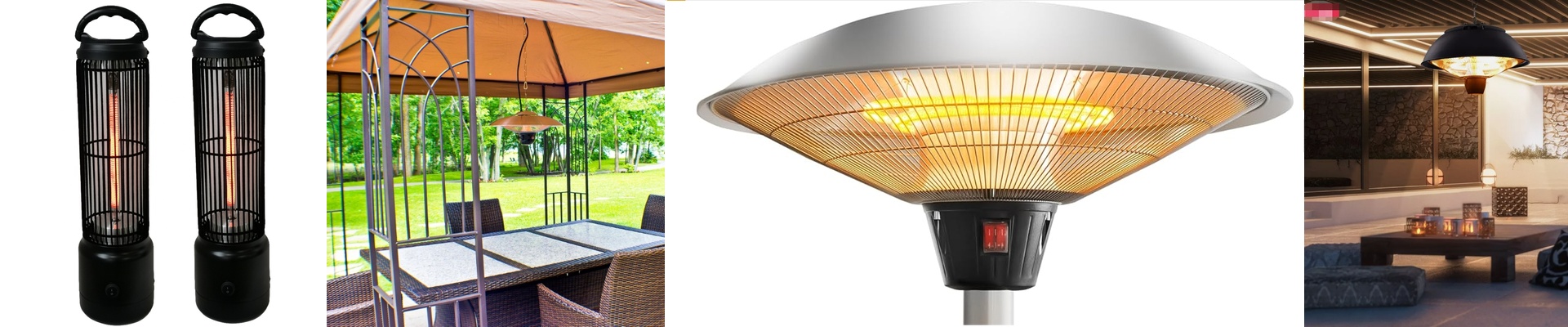
Infrared heaters deliver warmth through electromagnetic radiation—much like the sun warms your skin on a clear day. In electric infrared heaters, a carbon fiber element or quartz tube heats quickly and emits radiant energy that travels outward until it’s absorbed. The payoff is immediate directional warmth. No waiting for a fan to push heated air, and no dry blast that leaves skin feeling tight. For personal comfort, the key is consistent surface temperature and broad coverage. A compact unit rated around 1.5 kW can comfortably supplement a small living area, while larger models scale up for open spaces. Look for a stable housing, a protective front grill, and controls that let you set a steady comfort level. Many electric infrared heaters include tip-over protection and overheat protection, and some are rated for outdoor use with an IP rating to handle damp conditions.
Why this approach works
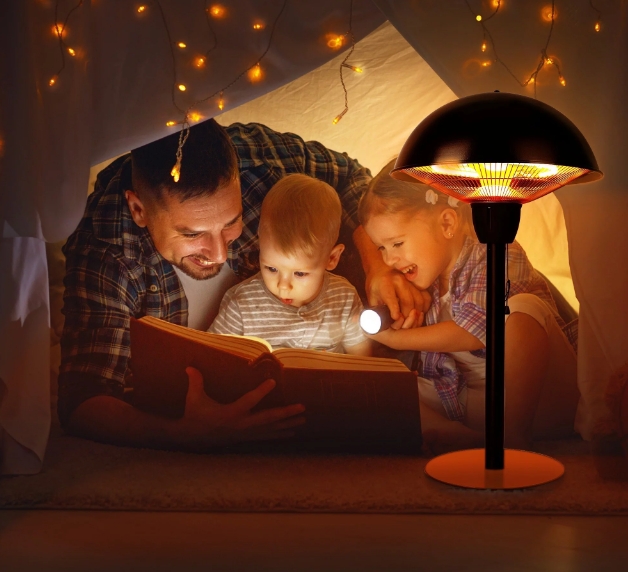
Cold hands and feet often improve when the body isn’t constantly losing heat to the surroundings. Radiant heat reduces that heat drain by warming the body directly, so you feel cozy even when the air is cooler. That gentle warmth can encourage better microcirculation in the extremities—supporting muscle relaxation and a more comfortable sense of circulation. And in real life, that matters. In a workshop, a studio, or a quiet reading corner, you want warmth that feels natural, not forced. An infrared space heater warms you where you are, without stirring dust or cycling on and off to chase air temperature. For businesses, a custom logo on the unit turns a practical heater into a branded part of the guest experience—subtle, useful, and memorable.
The practical stuff you should know
Infrared heat is most effective when it has a clear line of sight. Walls, furniture, and even your own clothing absorb the warmth, so placement matters. For best results, position the heater to cover the seating area directly, and keep the path clear of large obstructions. Because infrared heats surfaces and people, you may need a small adjustment to find the right balance—especially in rooms with high ceilings or large windows. The front of the heater can get quite warm, so keep it out of reach of children and pets. If you plan to use it outdoors, confirm the IP rating matches the exposure level, and always plug into a grounded outlet on a dedicated circuit.