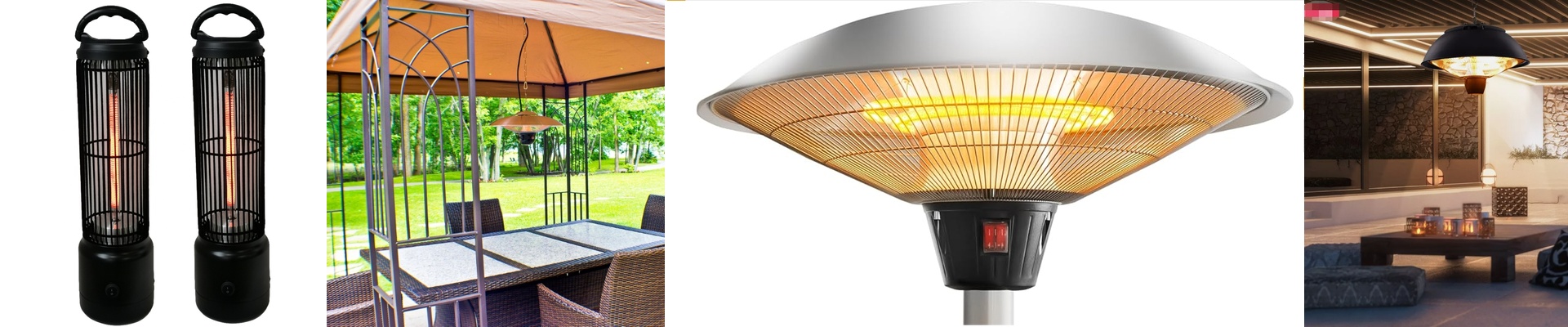
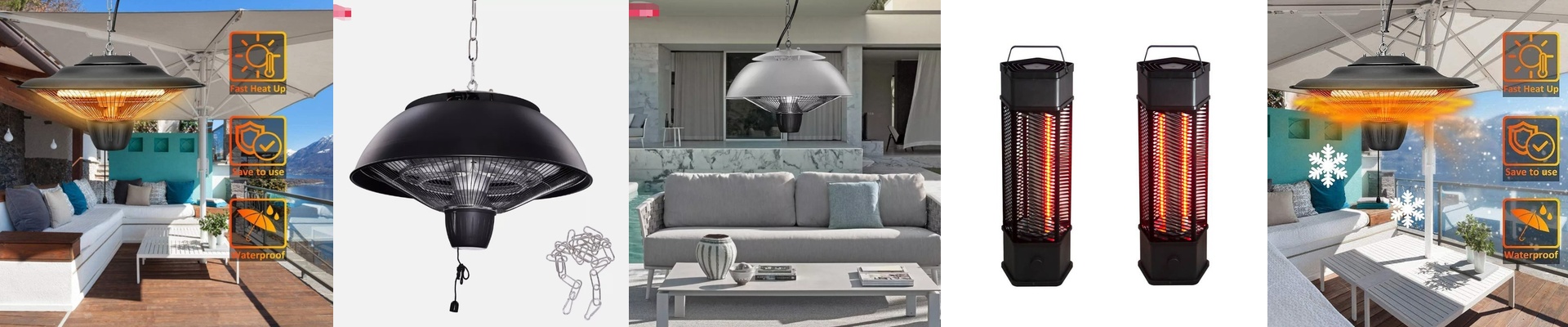
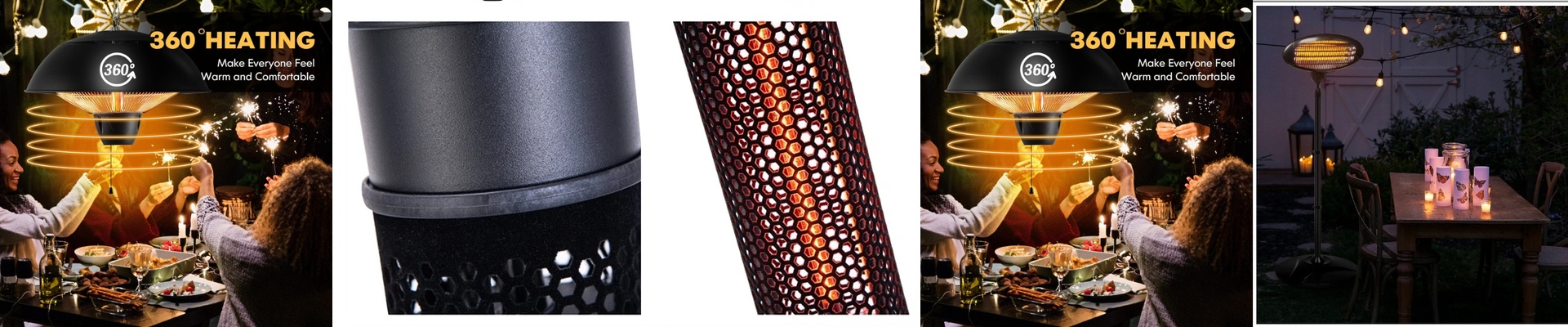
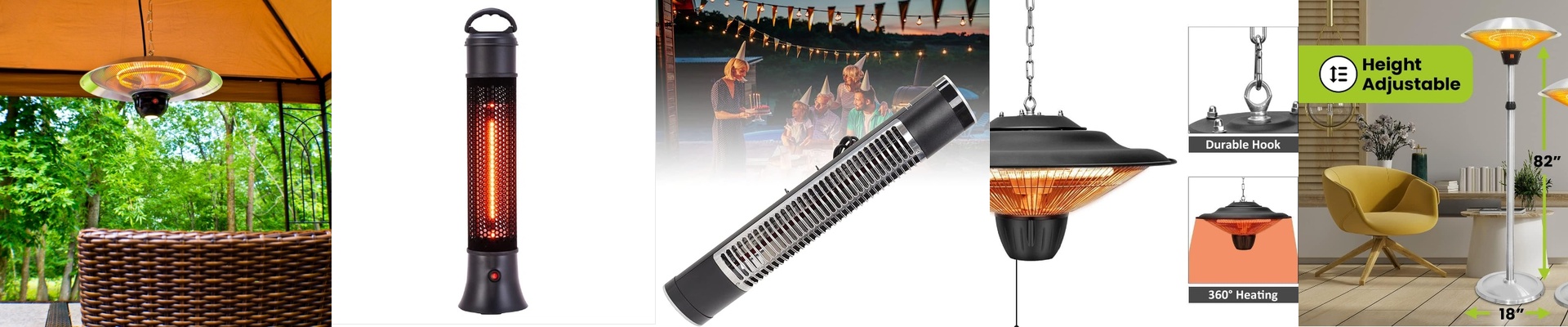
We make recessed infrared ceiling heaters for bathrooms, and we get how brutal that space can be. It’s all high humidity, sudden temperature swings, and tight quarters—hard on anything electrical. So we put every single unit through serious damp-heat aging tests. This isn’t some checkbox ritual. It’s the only way we know to make sure the heater will keep showing up for you, year after year.
Power, voltage, and size—kept simple
We design these heaters around real rooms and real heat needs. Power rating and voltage determine output and how much current the unit draws. Run it on 220V or 240V and you get steady performance that plays nicely with standard residential and commercial circuits. The body is compact and recessed, meant to sit flush with the ceiling. That keeps the footprint small while the heat spreads wide. The shape sends warmth where it matters—downward—so you’re not wasting energy heating the empty space above the ceiling.
What’s inside: quartz, halogen, and connections that hold
At the core is a quartz halogen element. It heats up fast and delivers intense infrared warmth. Quartz handles sudden temperature changes way better than glass, and the halogen cycle keeps the filament stable even when things get scorching. We add a protective coating to fight moisture and the chemicals in cleaning products. Then there’s the connector. It’s built to carry the load and stand up to vibration. A solid R7s or SK15-style connection gives you secure contact, prevents arcing, and makes installation clean and tool-free.
Bathroom performance—built on reality, not wishful thinking
In a bathroom, a heater has to do two things at once: deliver warmth instantly and survive a steady bath of steam. Our damp-heat aging tests mimic years of exposure, pushing weak seals, corroded terminals, and drifting electrical behavior to show themselves early. The payoff is a heater that starts quickly, holds its output, and doesn’t flame out long before its time. There is one thing to keep in mind, though. High-density infrared output needs proper clearance and smart ventilation. You have to plan the surrounding materials and the ceiling cavity so they can handle the heat. When the installation is set up right, you end up with a heater you can rely on—low-maintenance, steady, and made for the toughest indoor climate in your home.