
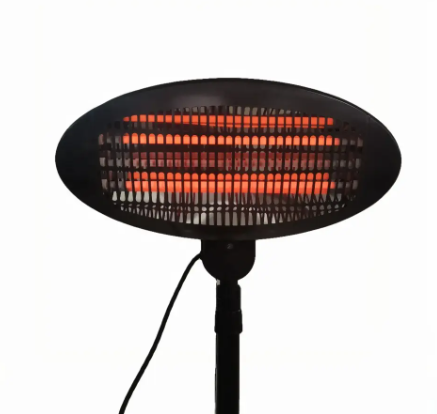
Why we stopped making “disposable” bathroom heaters
Let’s be honest: most bathroom heaters are basically designed to be thrown away. You buy one, it works great for a few years, and then a heating element pops. Because the tubes are usually welded or hard-wired into the frame, you can’t just fix it. You end up ripping the whole thing off the wall and tossing a perfectly good metal chassis into a landfill just because one little part quit. It felt wrong. So we did something different. The “Cassette” Approach We decided to build our heaters with modular parts. Think of the heating elements like cassettes. If a tube burns out or starts losing its punch after five years of heavy use, you don’t need to panic or call in a full electrical crew to rewire your bathroom. You just slide out the old module and pop in a new one. We used snap-in connectors to keep things simple. A technician—or even a handy homeowner—can swap an element in under ten minutes. No digging through the electrical circuit, no headache. Just click and go. Dealing with the Heat We use shortwave infrared tubes because they give you that instant, cozy heat. It’s the only thing that really works in a damp bathroom where regular air heaters just struggle. But here is the reality: that kind of intense heat is tough on the quartz glass and the filaments. Over time, they wear down. It happens. Instead of pretending these parts last forever, we just made them easy to replace. We built the outer shell and the control board to last a lifetime, but we made the “wear-and-tear” parts accessible. It’s just common sense. Real-World Setup These fit right into your standard bathroom wiring. But the cool part? You aren’t stuck with the same heat level forever. If you move the heater to a bigger room or realize you just want it warmer, you don’t have to replace the whole unit. You can just swap the internal modules for higher-wattage ones. The wall mount and the casing stay exactly where they are. Just a heads-up: if you do go for more power, double-check that your circuit breaker can handle the extra load so you aren’t tripping the power in the middle of a freezing January morning.