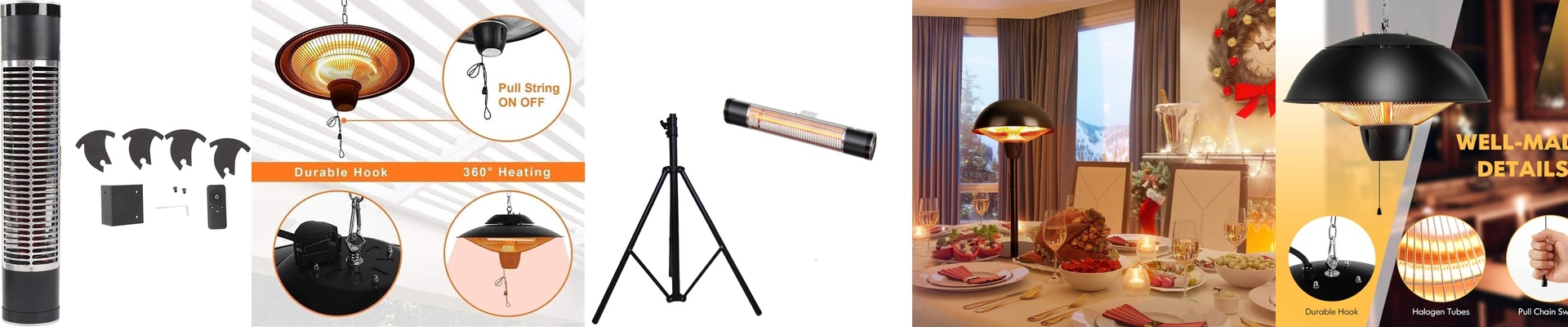
Why Your Ceiling Heater Needs “Explosion-Proof” Quartz
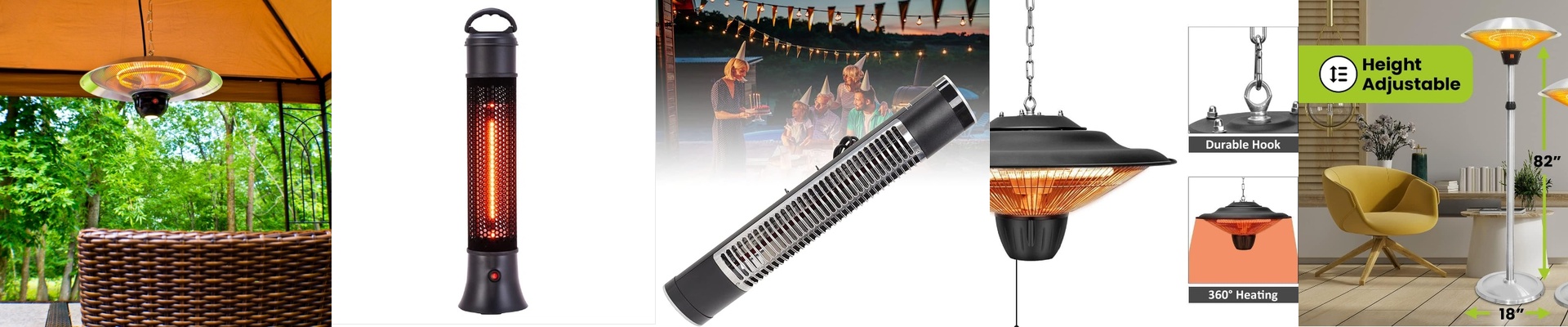
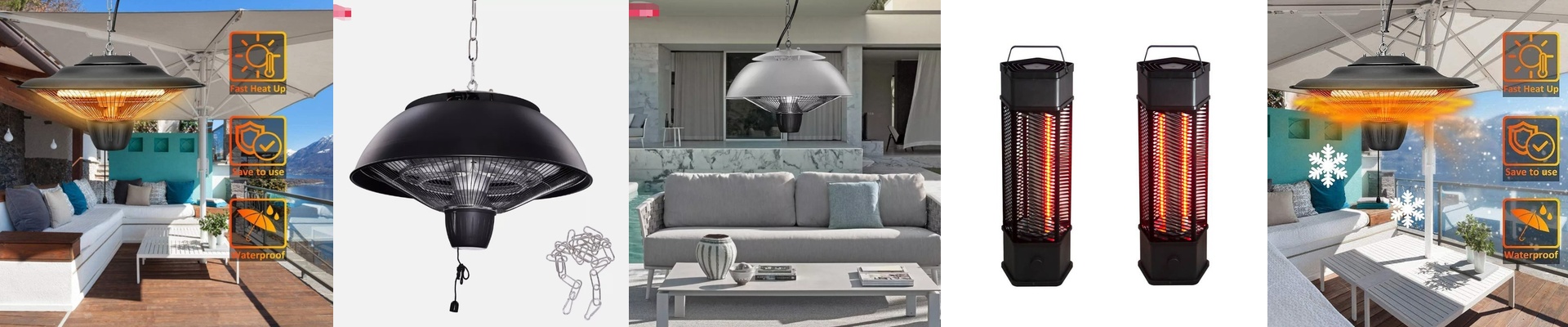
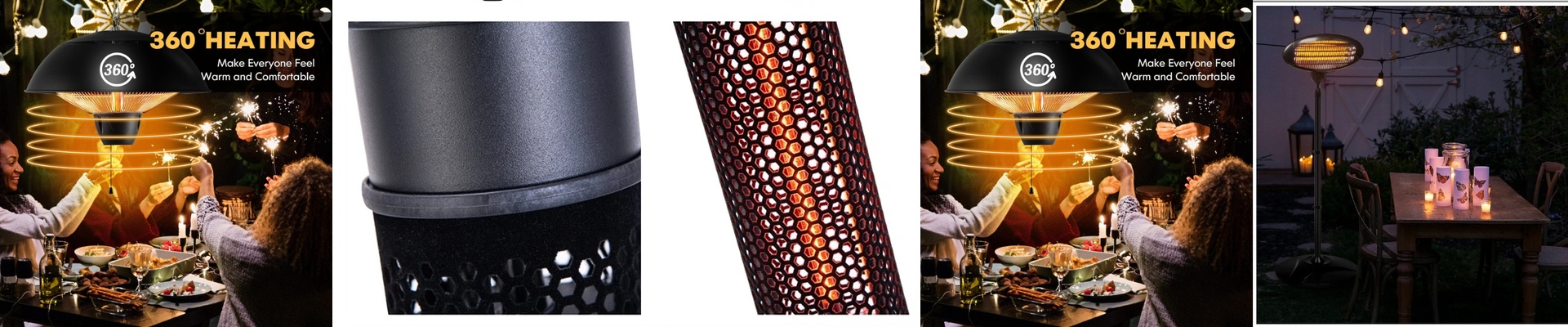
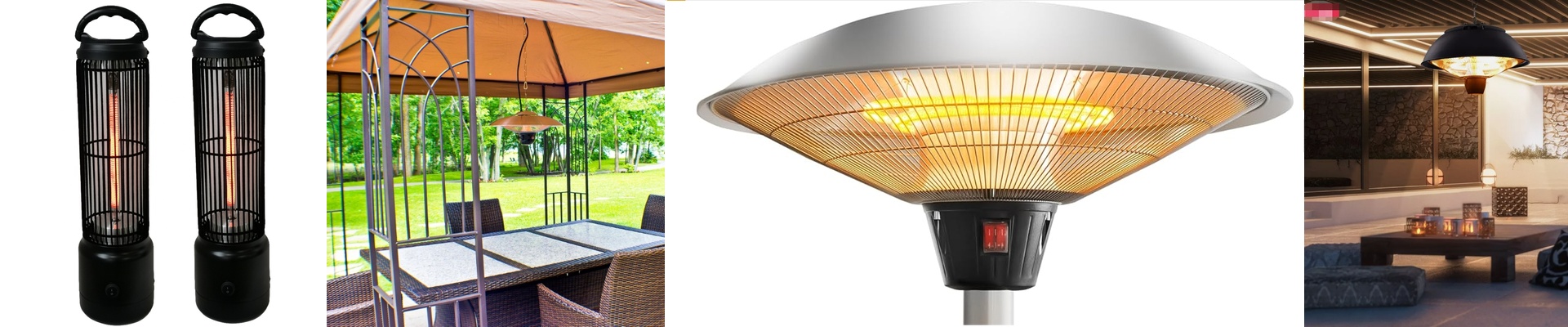
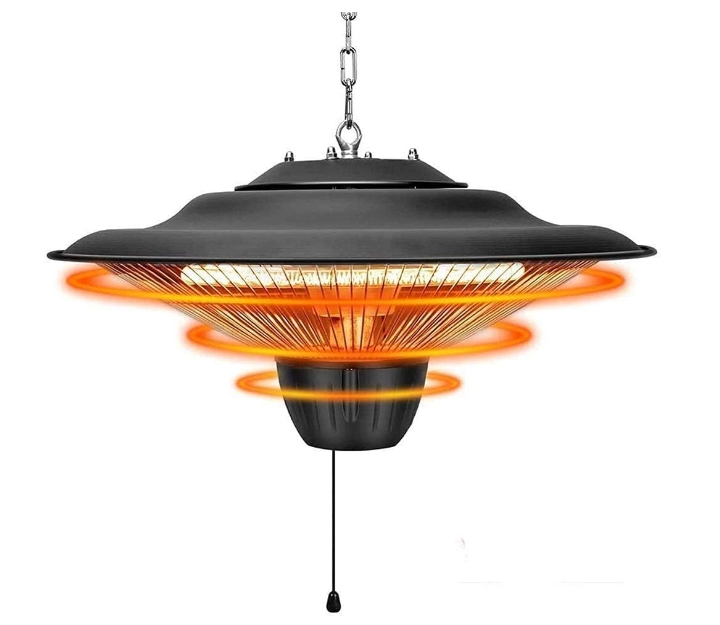
Think about where you actually put a 1500W ceiling heater. Usually, it’s a bathroom or a gazebo. Basically, places where it’s either steaming hot or raining outside. That’s a nightmare for standard quartz tubes. One cold drop of water hits a glowing hot filament, and pop—the glass cracks. Or worse, moisture seeps into the terminals and shorts the whole thing out. That’s exactly why we use explosion-proof quartz. What does “explosion-proof” actually mean? It sounds scary, but it’s actually about peace of mind. It just means the glass is thicker and tempered specifically to handle a beating. Imagine you’re in a shower and a stray droplet hits that 1500W lamp. In a cheap heater, that temperature jump is too much for the glass to handle. It shatters. Our reinforced tubes just shrug it off. They’re built to take the shock without blowing out. The magic of 1500W 1500W is a lot of power. But the real trick here is the infrared light. Most heaters try to warm up the air, which is useless in a drafty gazebo because the wind just blows the heat away. These lamps work differently. They send out short-wave radiation that hits your skin directly. It’s instant warmth. Just a heads-up: because it’s so powerful, you’ll want to make sure your ceiling bracket is sturdy. It needs to handle the weight and the heat soak without sagging. The part people forget: Heat management Here’s the thing. When you cram that much power into a small space, things get hot. Fast. If you wire a lamp like this into a cheap plastic fixture, the plastic is going to warp or melt. You need a metal chassis and a decent heat shield to keep things safe. We look at the explosion-proof quartz as the last line of defense. Even if some steam gets inside the unit or the outer casing leaks, the reinforced glass keeps the electricals isolated from the water. It’s the safety net that keeps everything running smoothly.