Anti-Reflective Coating Heaters: The Fix for Drying Without the Damage
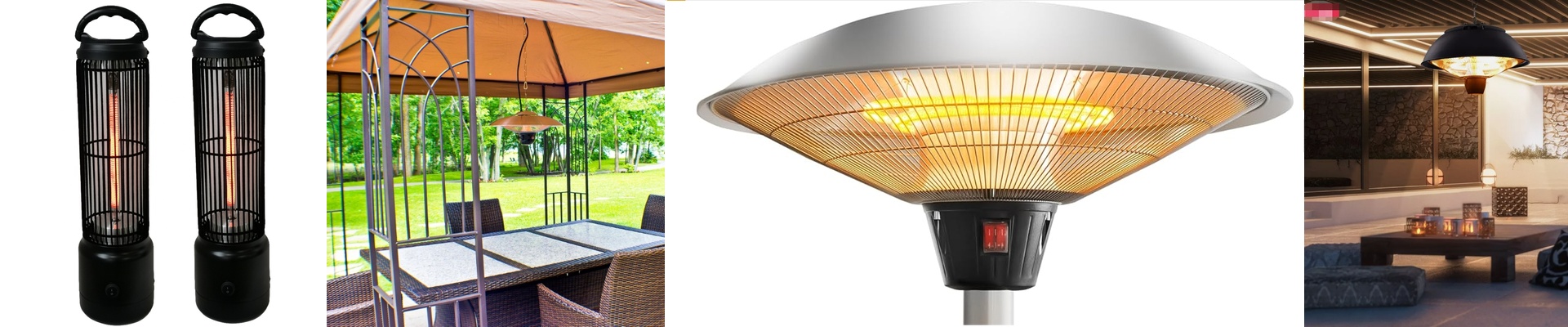
We built this heater for one very specific headache: how to pull moisture out of delicate coated parts without wrecking the color. Here’s how we solved it: infrared halogen lamps. They blast high-energy photons that go right through the surface and heat from the inside out, so the coating’s chemistry stays untouched.
The Nitty-Gritty: Power, Voltage, and Size
These Heaters are made to handle real factory life. We went with a 400V setup because that’s what serious equipment runs on. It keeps the power steady, even when the line runs long and the voltage would normally dip. At 2500W, you get a lot of heat packed into a small space—perfect for evaporating moisture fast. And the 300mm tube length? That wasn’t random. It gives you a tight, precise heating zone that fits into cramped machine spots. Just one catch: that kind of heat means you need a solid cooling system to keep the surroundings from cooking.
Inside the Build: Halogen, Quartz, and a No-Fuss Connector
The heart of it is a shortwave halogen element, sealed inside a quartz tube. Quartz is tough—it can take the shock of flipping the heat on and off without cracking. And the halogen cycle keeps the filament stable, so the output stays consistent for thousands of hours. Then there’s the anti-reflective coating, which is the real differentiator. It pushes more infrared energy onto the target and wastes less light. That translates to lower energy draw—plain and simple. And the R7s connector? It’s the industry standard for a reason. It locks in securely, holds up to vibration, and makes the lamp a quick drop-in replacement.
What It Feels Like on the Floor
In production, you can run a lower overall temperature and still get the same drying speed. The savings come from focused heat, not brute force. And the color stays true because the coating absorbs less visible light, so pigments don’t get degraded. It’s a straightforward process you can repeat, day after day. But remember: the heat is intense. You’ve got to spec the cooling circuit properly, or nearby components will take a beating.