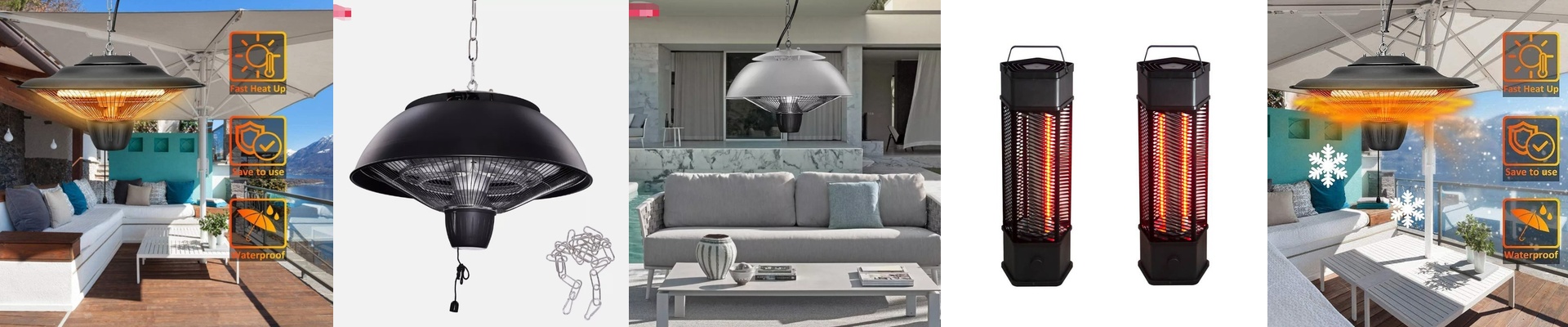

Stop Fighting Your Heating Table: A Smarter Way to Handle Maintenance
If you’ve ever dealt with an IP44 waterproof heating table, you know the drill. You get great protection against splashes and grime, but you pay for it the moment something breaks. Usually, these things are a nightmare to fix. You’ve got fixed-wire setups that turn a simple burnt-out lamp into a whole afternoon of stripping cables and wrestling with stubborn gaskets. It’s frustrating. It’s slow. And it’s a waste of time.
The “Plug and Play” Approach
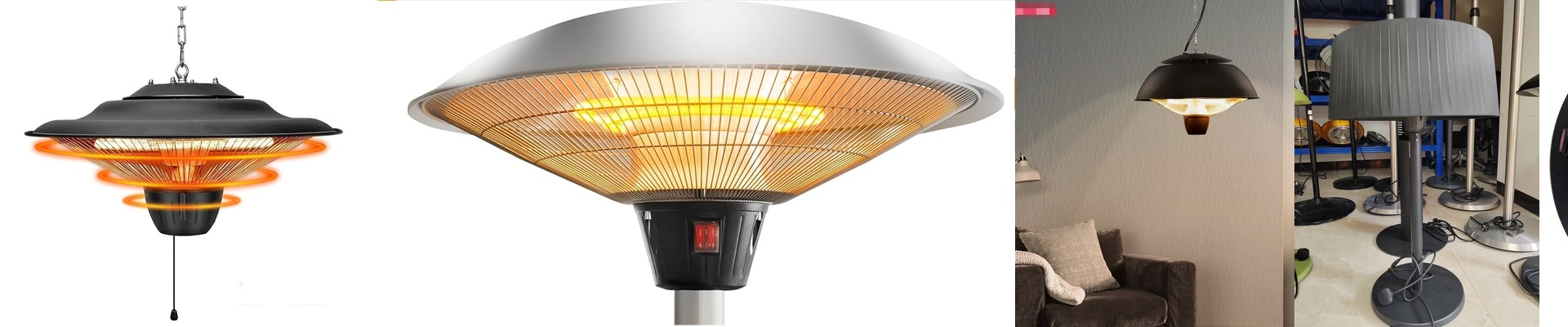
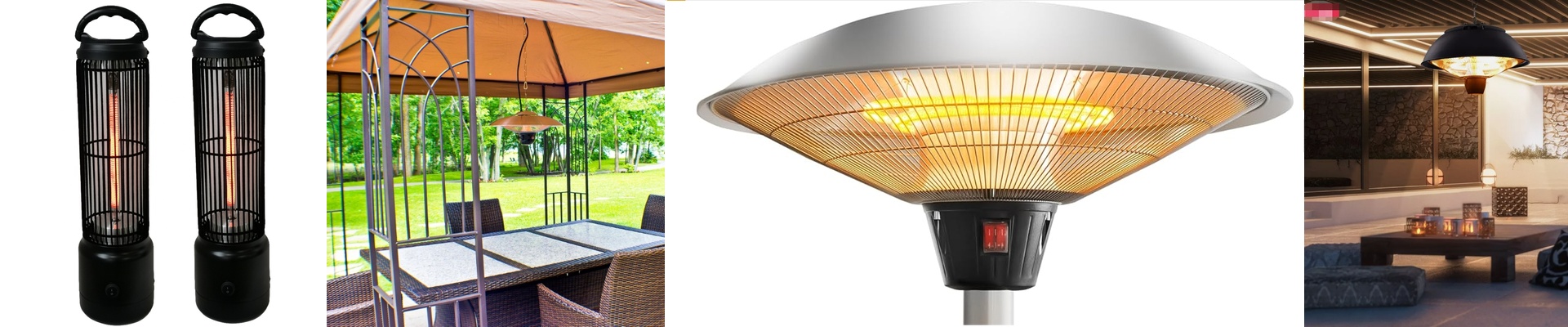
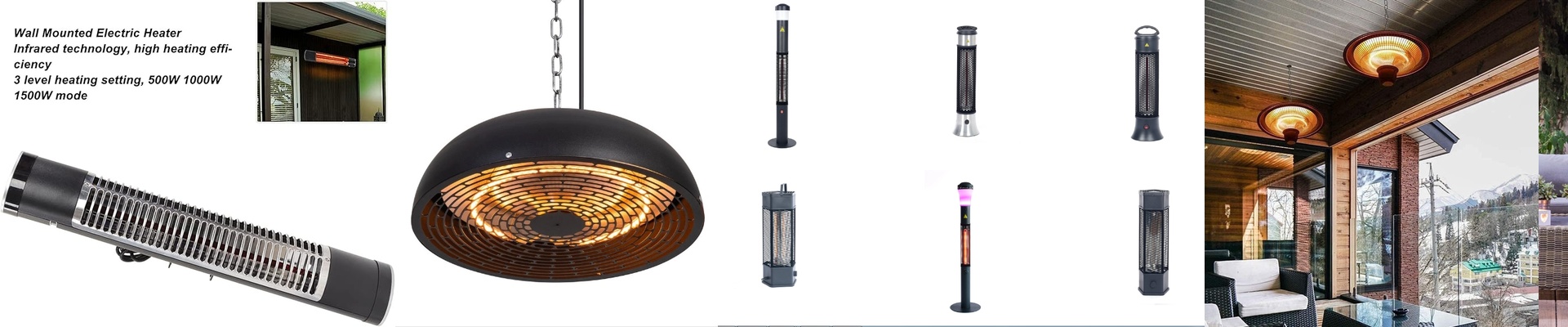
We got tired of the “five-year maintenance” headache, so we changed how the infrared modules actually work. Instead of soldering everything deep into the chassis, we went with a modular design. Think of it like a cartridge. If a tube gives out after years of hard use, you don’t have to tear the whole table apart. You just swap the module. Here is the best part: we separated the waterproof barrier from the heating element. You can pull out the dead unit and drop in a fresh one without ever messing with the primary seal of the housing. What used to be a half-day repair now takes about ten minutes.
The Nitty-Gritty (And the Trade-offs)
Now, let’s be honest. Using modular connectors adds a tiny bit of electrical resistance compared to a direct solder. But in a shop environment? You won’t even notice it. The real challenge was the heat. When you put these modules in a waterproof box, the heat likes to hang around the connectors. To stop the housing from warping or the wires from getting brittle and snapping, we used high-temp rated terminals. It keeps everything stable, even when things get hot.
Real World Use
This is for the shops where moisture is a constant battle but every minute of downtime costs you money. By treating the infrared heater like a consumable part—something you just replace when it’s worn out—you keep the line moving. You don’t even need a master electrician on standby. Any technician can handle the swap. Just one tip: make sure your power supply can handle that initial surge when the modules kick in, and you’re good to go.