
Keeping Infrared Heaters Safe in Wet Zones
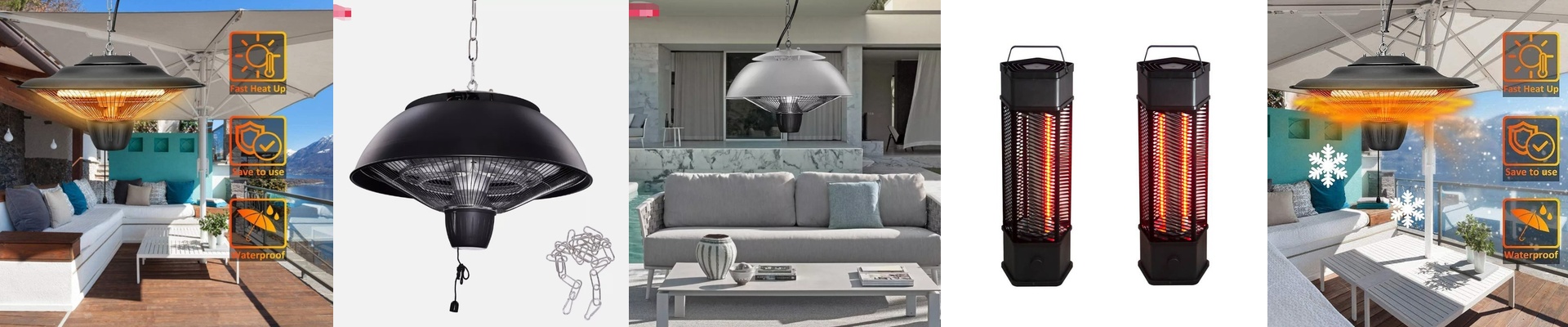
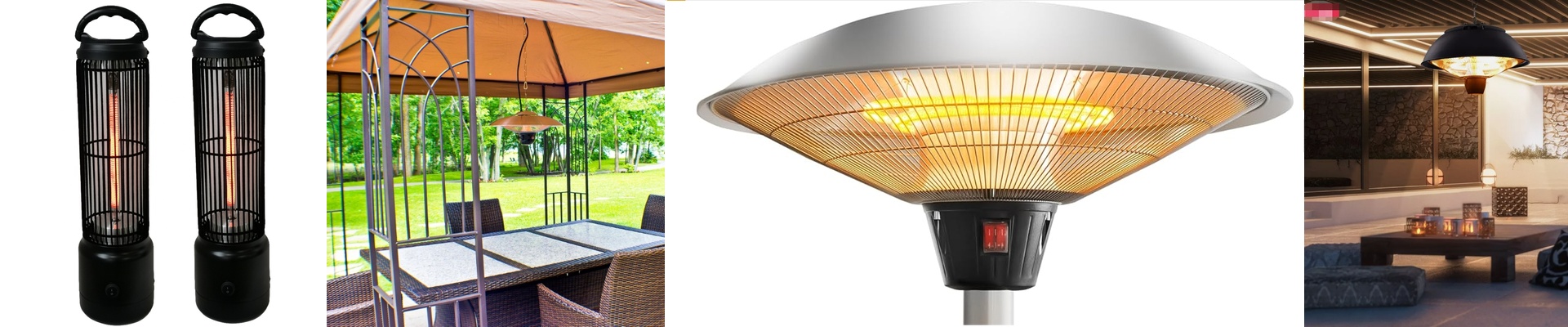
Trying to put infrared lamps in a bathroom or a steam room is basically a fight against nature. You’ve got constant steam and condensation that just wants to find a way into your electronics. To get a real IP66 rating, we can’t just throw the heater in a box and hope for the best. It takes a bit more thought.
Stopping the Leaks
Here’s the thing: in a steamy room, water vapor loves to act as a bridge for electricity. That’s a recipe for disaster. To stop that, we use high-grade ceramic insulators at the lamp terminals. These things stay stubborn and keep the resistance high, even when they’re soaked. We also use double-insulated cables and thick potting compounds where the wires enter the unit. It stops moisture from “creeping” inside through those tiny gaps you can’t even see.
The Battle Between Water and Heat
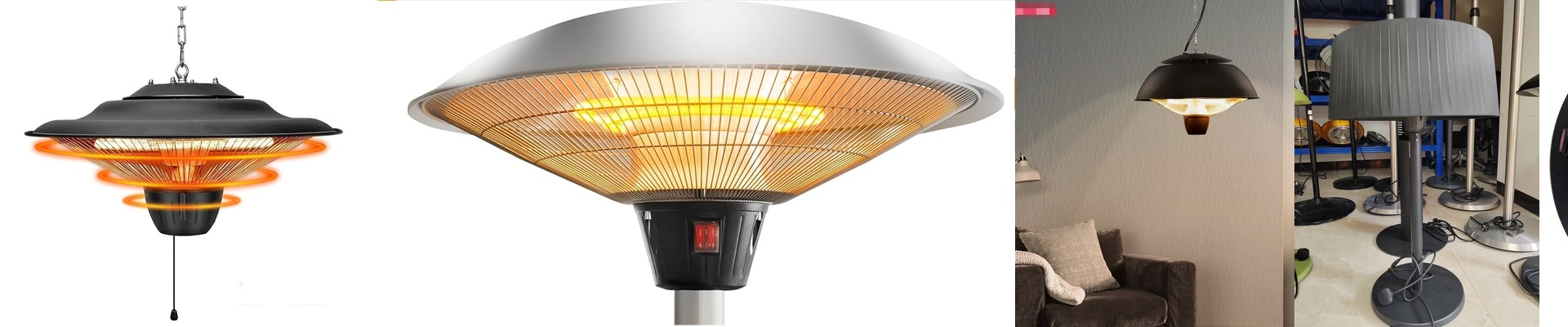
An IP66 rating means the unit can take a direct hit from a powerful water jet. We use silicone gaskets and tempered glass to lock everything down tight. But there’s a catch. When you seal a heater that tightly to keep water out, the heat has nowhere to go. The inside gets hot. Fast. If you use cheap wiring, it’ll melt or crack over time. That’s why we spec the internal wires with FEP or silicone jackets. They can handle the heat cycling without breaking a sweat.
Real-World Setup
You can’t just plug these into a wall and call it a day. For your own safety, these have to be wired into a system with an RCD or GFCI. Even with a tough IP66 housing, the external junction box is usually where things go wrong. We suggest using IP68-rated cable glands to make sure the entire loop is airtight. And a quick tip: if your space is constantly sitting at 90% humidity or higher, give your seals a look every six months. A tiny micro-leak is all it takes to cause a short, and it’s much easier to fix a seal than to replace a fried unit.