Introduction
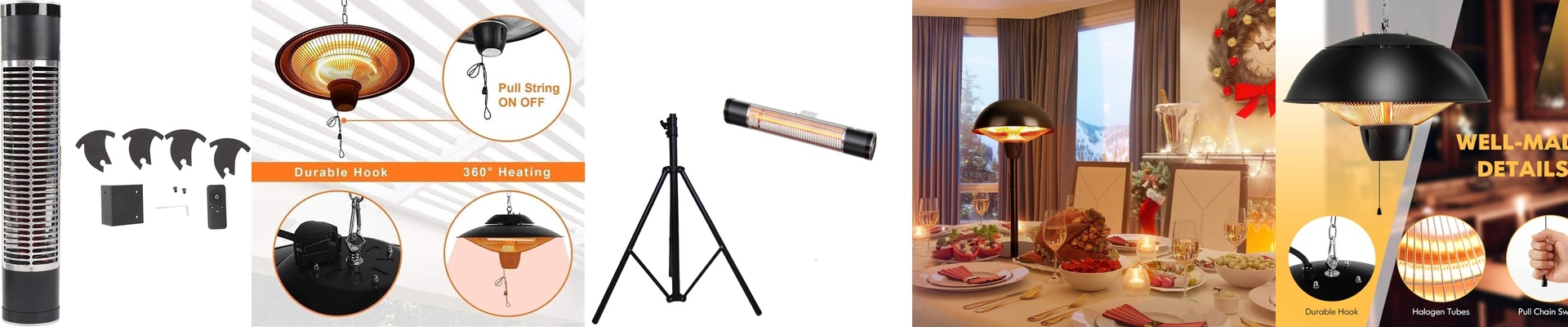
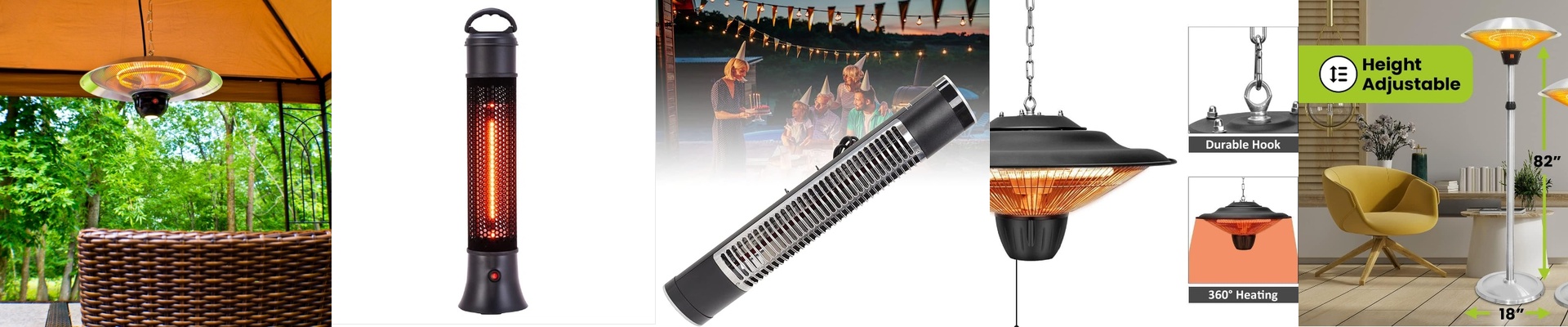
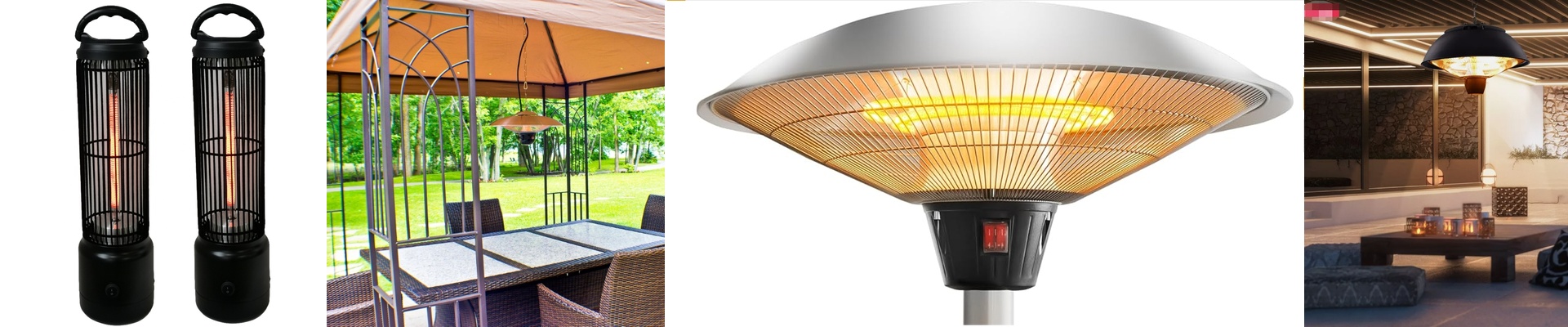
Let’s get real about bathrooms. They’re damp, they’re messy, and they’re tough on equipment. That’s why we built our waterproof infrared heating tables to handle the mess. They’re IP44 rated, so they shrug off splashes and dust like it’s no big deal. The whole point is simple: give you strong, focused heat right where you need it, without wasting a watt. If you’re an engineer or planning a space, the real puzzle is matching the heater’s power to the bathroom’s size. That’s how you get true energy efficiency.
Technical Deep-Dive: Power and Dimensions
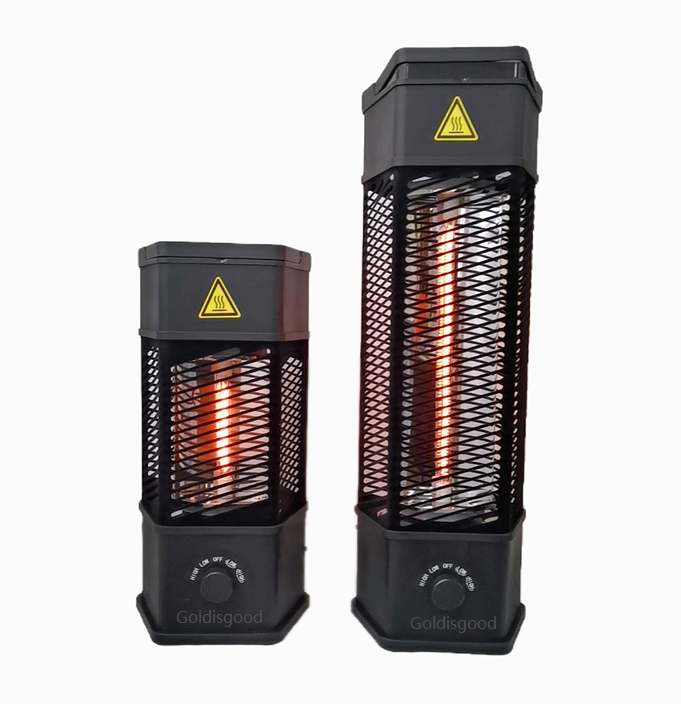
Infrared heat is direct—line-of-sight. No waiting around. The wattage sets how much warmth you get, and the voltage tells you what the electrical setup needs to be. We offer a range of power levels so you can dial in the right fit. For a small bathroom, a lower wattage keeps things from getting stuffy and keeps energy use in check. For a big, open space, you step up to higher wattage so people feel the heat the second they walk in. Because it heats people and objects directly, you’re not wasting energy on the air. That makes sizing the unit the one decision that matters most.
Material and Design: The Core Build
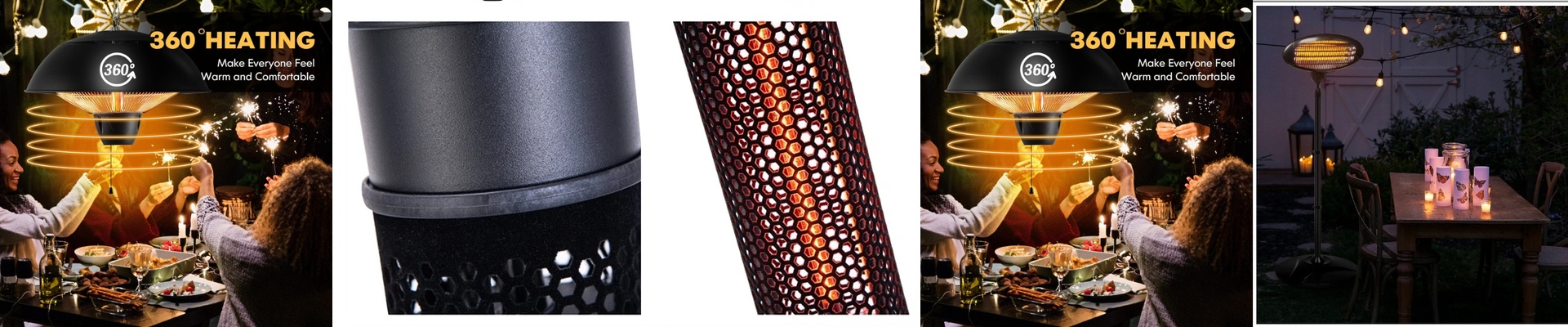
Inside, we use a halogen-filled quartz tube. It lets the filament run hot, which cranks out intense shortwave infrared. The tube is coated to handle sudden temperature swings and stand up to cleaning chemicals. The R7s base isn’t flashy, but it’s solid. It holds tight, handles high current, and it’s a familiar, reliable connection. On the shop floor, that means quick replacement without tools. Less downtime. More uptime.
Application and Benefits: The Engineer’s Perspective
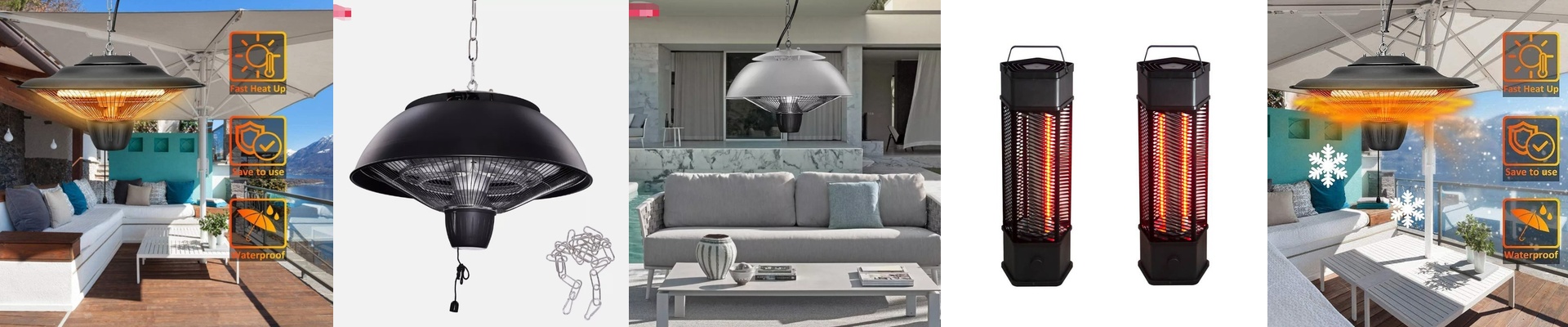
When you’re spec’ing bathroom heat, you’re walking a line between heat density and total energy use. Our IP44-rated heaters give you the room to match the unit to the space. A 2500W unit throws a lot of heat, fast. But it needs a dedicated circuit and an enclosure with proper cooling. A smaller unit can be cheaper to run, but it might not clear the chill quickly enough. There’s a trade-off. Here’s the payoff: pick the power that fits the footprint, and you get a drop-in solution that warms people and surfaces directly, not the empty air. You save on energy costs, and you get the focused warmth commercial bathrooms need.