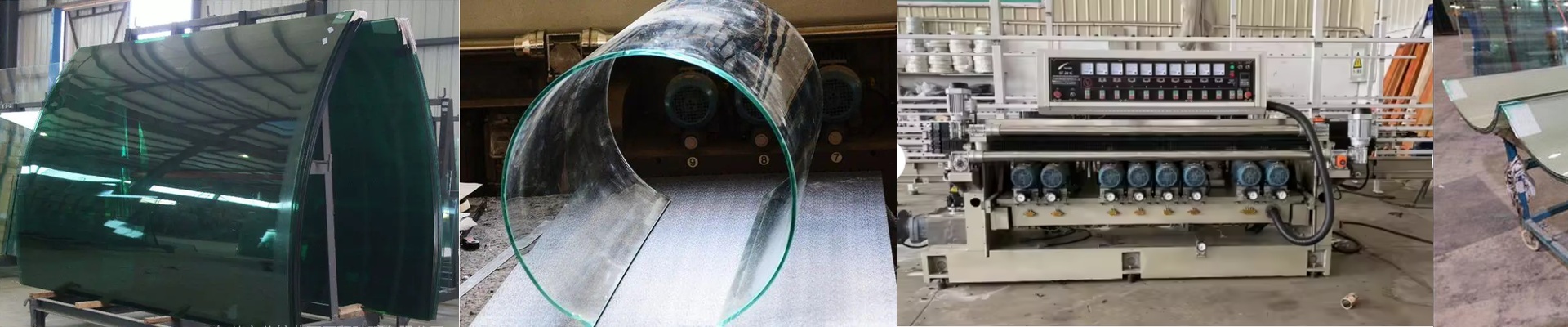

Getting the Heat Right in Glass Bending
Most glass bending heaters are off-the-shelf. You buy a standard length, a standard wattage, and you just hope for the best. But if you’re in R&D or testing out a new material, “standard” usually isn’t enough. You don’t just need heat. You need to know exactly where that heat is landing. That’s why we talk about power density. It sounds technical, but it’s really just about how much energy is hitting every square centimeter of your glass.
Why “Uniform” Heat Often Fails
A standard heater puts out a flat, even profile. That sounds great on paper, but it’s a nightmare when you’re dealing with weird shapes or new glass blends. If the heat isn’t mapped correctly, you get stress fractures. We let you call the shots on the power distribution. Want more juice in the center of the bend? Done. Need it to taper off toward the edges? Easy. This stops those annoying cold spots that ruin your optics and kills the hot spots that cause thermal shock.
How we actually do it
We don’t just tweak the size of the box. We get into the weeds with the filament winding and spacing to shift how the infrared light actually behaves. By changing the wattage per inch, you can finally stop guessing. You get to see how your materials react to different heat loads and dial in the exact ramp-up speed for your specific glass thickness. It’s about taking the “maybe” out of the equation.
The Trade-off (Because there’s always one)
Here’s the thing: high power density is great for faster cycles and sharper bends. It’s fast. Really fast. But pushing that much power into a small area puts a lot of stress on your reflectors and supports. If you go for a high-density setup, just make sure your cooling system can keep up. If the housing gets too hot, you’re looking at a premature burnout. We give you the raw tools and the parameters. You use them to map out how your materials behave. No guesswork, just better glass.